This guide unveils 10 practical money management habits designed to empower you. Whether you’re looking to spend with more intention, save more consistently, or simply get more mileage out of the money you already have, these strategies offer a clear and achievable path forward. 🗺️
The Core Principle of Smarter Money Management ✨
At its heart, effective money management is about understanding your outflow, questioning your inflow, preparing for what’s ahead, and making saving a priority before you consider the rest your disposable income. It’s a proactive approach that puts you in the driver’s seat of your financial journey.
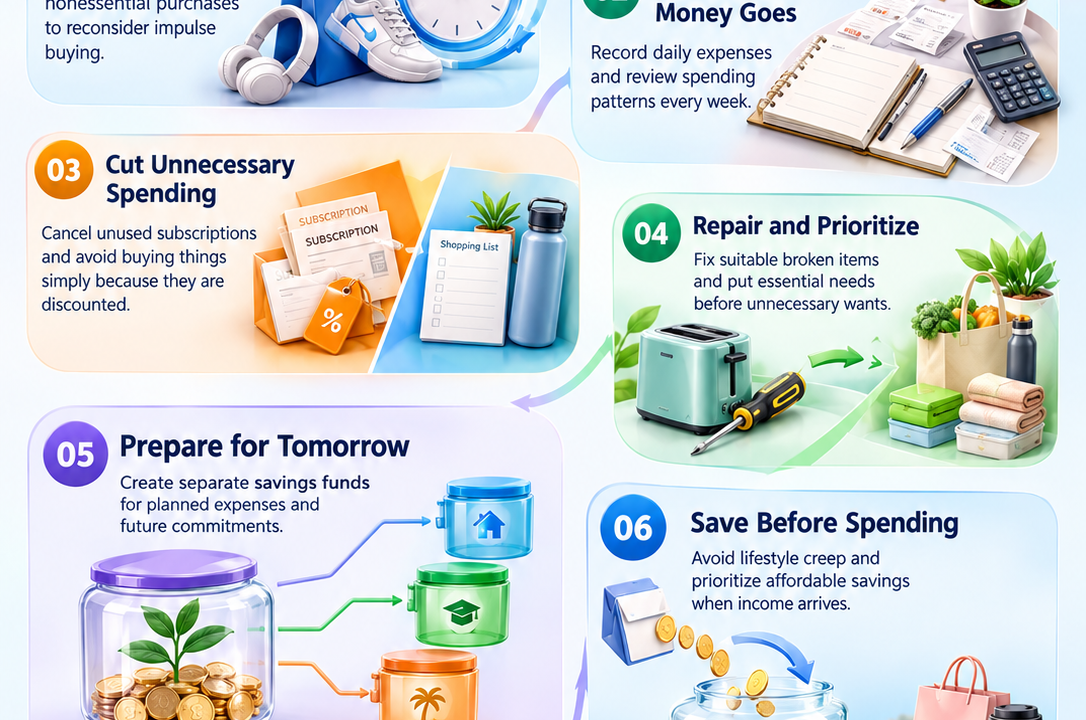
1. Embrace the 24-Hour Rule for Non-Essential Purchases ⏳
Impulse buys often strike when something catches your eye, triggering an immediate desire to own it. Implementing a 24-hour waiting period before making any non-essential purchase acts as a powerful pause button. ⏸️ This delay provides crucial time to reassess whether the item is truly necessary. During this period, ask yourself: Do I genuinely need this? Does it fit comfortably within my budget? Will I still want it just as much tomorrow? Often, the initial excitement dissipates, making the decision to keep your money feel like the smarter choice.
Pro-Tip: Instead of buying on the spot, add tempting items to a digital wishlist or a physical notebook. Revisit this list the following day with a fresh perspective before committing to the purchase. You might be surprised by how many items lose their appeal!
2. Meticulously Track Your Daily Expenditures 📝
You can’t effectively manage what you don’t measure. If you have a hazy idea of where your money vanishes, you’re flying blind. Recording your daily expenses is fundamental to understanding your spending habits—how much goes to necessities, optional treats, and those small, everyday conveniences that add up. 🧾
Don’t feel intimidated; you don’t need a complex spreadsheet to start. A simple notebook, a basic spreadsheet program, or a user-friendly budgeting app can be your allies. The key is to record purchases as they happen. Be diligent and include even the smallest transactions—that morning coffee or the midday snack. Individually, they might seem insignificant, but tracking them reveals your overall spending patterns more clearly.
Pro-Tip: Commit to writing down every single purchase for the next seven days. At the week’s end, sit down with your list. Identify expenses that could be reduced or entirely eliminated without significantly impacting your quality of life.
3. Ruthlessly Review and Cancel Unused Subscriptions 🔍
Subscription services, from streaming platforms and gym memberships to software tools and curated boxes, are notorious for auto-renewing quietly in the background. They can become significant, recurring drains on your finances, even if you rarely use them. 💸
Dedicate time to meticulously comb through your bank statements and subscription lists. For each service, honestly evaluate: Am I using this regularly? Does it provide genuine value that justifies the cost? Could I manage comfortably without it? Keep the subscriptions that truly enhance your life or are essential for work, and don’t hesitate to cancel those that no longer serve a purpose or have become too expensive. Always check the renewal dates and cancellation policies before making any changes.
Pro-Tip: Create a master list of all your recurring payments. Categorize each as ‘Keep,’ ‘Review,’ or ‘Cancel.’ Revisit this list quarterly to ensure you’re not paying for forgotten services.
4. Resist the Siren Call of Sales 🛍️
A “sale” sign or a “limited-time offer” can create a powerful illusion of saving money. However, spending money on something you never intended to buy, even at a discount, is still spending money. 🚨 This money could have been allocated to more important goals or saved for future needs.
Before succumbing to a sale, ask yourself if this item was already on your shopping list. Consider its actual utility in your life. Would purchasing it now hinder your ability to meet essential expenses or achieve your savings targets? True savings aren’t just about a lower price tag; they’re about avoiding unnecessary expenditure while paying a fair price for something you genuinely require.
Pro-Tip: Always create your shopping list before you start browsing sales. When shopping, focus on finding the best prices for the items on your list, rather than searching for reasons to buy additional things.
5. Prioritize Repair Over Replacement 🔧
When an item breaks, the immediate instinct is often to replace it. However, repairing a damaged item can frequently be more economical, especially if the repair is straightforward and the item still has significant usable life remaining. 🧵
Evaluate your options: Can that torn seam be mended? Can a faulty appliance be fixed by a professional or even DIY? Can a scuffed piece of furniture be refinished? Compare the estimated repair cost against the price of a new replacement. Remember, repairing isn’t always the cheapest or safest solution for every problem, and some items may indeed be beyond practical repair. The goal is to make an informed decision rather than automatically opting for a new purchase.
Pro-Tip: Before discarding a broken item, do a quick online search for repair guides or local repair services. Always prioritize safety and avoid attempting repairs that require specialized skills or precautions you don’t possess.
6. Establish Dedicated Savings for Future Expenses 🎯
Some expenses are predictable, even if they don’t occur monthly. Think annual insurance premiums, property taxes, planned vacation funds, or essential home maintenance. Failing to prepare for these can strain your regular budget when they inevitably arrive. 📅
Setting aside money specifically for these anticipated costs is crucial. This creates a clear distinction between money earmarked for future commitments and your everyday spending money. You can achieve this by opening separate savings accounts or by clearly earmarking funds within a single account, depending on your banking options. Assign a purpose to each savings pot and estimate the regular contributions needed to reach your target amount.
Example Scenario: Imagine you anticipate a large purchase of $1,200 in six months. By setting aside $200 each month, you’ll have the full amount ready. 💰 This example is illustrative; always adjust contributions based on your income, expenses, and financial priorities.
7. Conduct a Weekly Financial Review 📊
While tracking your expenses provides valuable data, it’s the regular review of that data that translates into smarter financial decisions. A weekly money check-in is your opportunity to assess what’s working well and identify areas where your spending needs adjustment. 🧐
Review your purchases from the past week, examine your recurring payments, note any upcoming bills, and check your progress towards your savings goals. Were any expenses higher than expected? If so, what can you do differently in the coming week to compensate? Keep this process constructive and focused on understanding your habits, not on self-criticism for every minor purchase. The aim is awareness and improvement.
Pro-Tip: Schedule a consistent time each week for your financial review—even a brief, regular check-in can significantly boost your financial awareness and control.
8. Distinguish and Prioritize Needs Over Wants 🛒
Not all expenditures carry the same weight. Essential expenses—food, housing, utilities, and necessary transportation—should generally take precedence over optional purchases and discretionary spending. ⚖️
Before making a purchase, ask yourself: Does this fulfill a genuine need? Does it contribute to an important life goal? Or is it simply something I’d enjoy having in the moment? Enjoyment is a valid part of life, of course, but it must align with your available budget. Being intentional doesn’t mean depriving yourself of all small pleasures; it means making conscious choices about which purchases matter most and ensuring they don’t jeopardize your essential responsibilities or financial priorities.
Pro-Tip: Categorize your planned expenses into ‘Needs,’ ‘Savings,’ and ‘Wants.’ Review the balance and be prepared to adjust your ‘Wants’ if they begin to compete with your ‘Needs’ or financial goals.
9. Combat Lifestyle Creep with Income Increases 📈
Receiving a pay raise or experiencing an increase in income can be incredibly exciting, opening up new possibilities. However, it also presents a common pitfall: the temptation to immediately upgrade your lifestyle across the board. This gradual increase in spending as income rises is known as “lifestyle creep.” 🎈
Before you automatically increase your spending, take a moment to plan how this additional income can best serve your priorities. Consider directing a significant portion toward your savings, tackling debt, building an emergency fund, or investing in future goals. While some lifestyle improvements are perfectly acceptable, ensure they don’t consume the entire windfall, leaving you with little to show for your increased earnings.
Pro-Tip: When your income increases, make a deliberate plan for the extra funds before you adjust your usual spending habits. Treat it as an opportunity to accelerate your financial progress.
10. Prioritize Saving: Pay Yourself First 🌱
Waiting until the end of the month to save whatever is left over is a strategy that often leads to little or no savings. Everyday expenses and spontaneous purchases tend to consume the remaining funds first. 😥
A far more effective approach is to make saving a non-negotiable part of your financial routine. When you receive your income, allocate a predetermined, affordable amount to savings before you begin spending on discretionary items. This ensures your savings goals are met consistently. You can start with a modest amount and gradually increase it as your budget allows. The crucial element is to choose a sustainable savings figure that doesn’t compromise your ability to cover essential bills or force you into expensive borrowing.
Pro-Tip: If your bank offers automatic transfers, set up a recurring payment to your savings account on payday. This makes consistent saving effortless. Review this arrangement periodically as your income or expenses change.
Cultivate a Sustainable Money Routine 🛠️
You don’t need to implement all ten habits overnight. Start with the ones that resonate most and feel most achievable for your current situation. Gradually build a routine around them. Consider focusing on:
-
- Recording your daily spending diligently. ✏️
-
- Implementing the 24-hour rule for non-essential buys. 🕰️
-
- Reviewing and canceling dormant subscriptions. ✂️
-
- Setting aside funds for predictable future expenses. 🏦
-
- Making saving a priority on payday. ➡️
Choose habits that align with your income and responsibilities. Consistency is far more valuable than creating an overly complex system that you’ll eventually abandon. 💪
Key Takeaways for Lasting Financial Health 🔑
-
- Mindful Spending: Pause before you buy. Give yourself time to reconsider impulse purchases and avoid buying items solely because they are on sale. 🤔
-
- Know Your Flow: Track your expenses diligently and review them regularly. This reveals opportunities for improvement and helps you understand your financial patterns. 💡
-
- Future-Proof Your Finances: Prepare for upcoming expenses by setting money aside specifically for them, rather than scrambling when bills arrive. 🛡️
-
- Intentionality is Key: Prioritize your essential needs, explore repair options, and cut out unnecessary recurring payments. 🎯
-
- Saving as a Priority: Decide how much you can realistically save *before* spending on optional items, and adjust your plan as your life circumstances evolve. 🚀
Your Next Financial Step: Make Every Dollar Count! 💰
Ensuring your money lasts longer begins with self-awareness regarding your habits and making conscious decisions about where your income should be directed. Tracking your spending, resisting unnecessary purchases, scrutinizing recurring payments, and preparing for future costs are all powerful steps toward managing your money with greater deliberation.
Perfection isn’t the goal; building a realistic, sustainable approach that respects your essential needs, allows for life’s enjoyments, and firmly places saving at the forefront of your financial plan is what truly matters. Start today with one small, manageable action: record your spending, cancel subscription you no longer use, or set aside a small, affordable amount for a future expense. These seemingly minor decisions, when repeated with purpose, build a strong foundation for lasting financial well-being. ✨