Building a robust financial future is more than just earning a substantial income. 💼 Even with a high salary, poor financial habits can lead to a perpetual cycle of living paycheck to paycheck. 📉 Subtle cash drains, unchecked lifestyle inflation, and postponed investments can significantly hinder your ability to grow wealth over time. ⏳ Identifying and rectifying these common financial pitfalls early is crucial for safeguarding your hard-earned money and achieving lasting financial independence. 🧘♂️
Protecting your financial flow and maximizing its potential requires a clear, strategic approach. Let’s delve into seven prevalent money traps that can sabotage your net worth and explore how SmartSave.top can empower you to transform your monthly income into enduring prosperity. 🚀
Stop the Silent Drain: Unplanned Daily Spending & Subscription Overload ☕🕳️
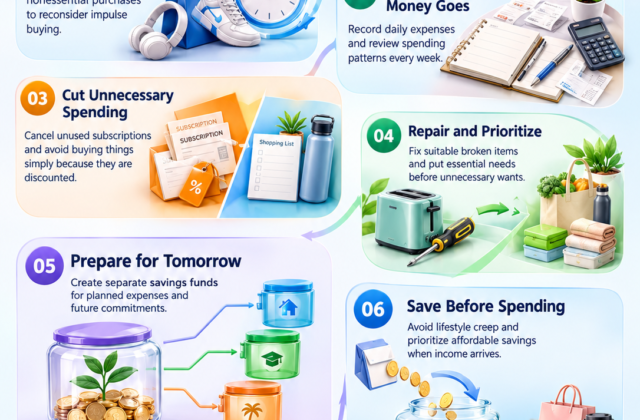
It’s easy to overlook the impact of small, everyday purchases. A $5 coffee here, a $20 food delivery there, or a handful of forgotten streaming service subscriptions might seem insignificant when viewed in isolation. 📱 However, when these recurring expenses are aggregated over a year, they can amount to hundreds, even thousands, of dollars vanishing without providing substantial value to your life. 💸 These seemingly minor leaks relentlessly erode the cash surplus that could otherwise be directed towards building essential savings or making impactful investments. 🏦
- 🔍 Conduct a Monthly Statement Audit: Regularly review your bank and credit card statements, ideally every 90 days. This practice helps you identify and cancel any forgotten app memberships, unused subscriptions, or recurring charges that no longer serve a purpose.
- 📱 Track Your Micro-Spends: Utilize simple budgeting tools or apps to gain a clear visualization of where your small, impulse purchases are accumulating. Awareness is the first step to gaining control.
📌 Key Takeaway: Imagine redirecting just $100 per month from a forgotten subscription into a low-cost index fund that historically returns 8% annually. Over a decade, that seemingly small sum could grow into over $18,000 through the power of compounding! 💎 Small leaks can have a colossal impact on your future wealth.
The High-Interest Debt Trap: Credit Card Balances That Cripple Growth 💳🛑
Carrying balances on high-interest credit cards is one of the most aggressive ways to stall your net worth accumulation. 🛑 Credit card Annual Percentage Rates (APRs) frequently soar between 20% and 28%, effectively transforming modest purchases into substantial, long-term financial burdens. 📉 Merely making the minimum payment each month traps you in an endless cycle of interest charges, prolonging the debt for years. 🏃♂️ The money you spend servicing this high-interest debt is capital that is directly diverted from your future financial goals, including retirement savings. 💰
Here’s a clear comparison to illustrate the financial impact:
| Financial Action 📊 | Average Annual Rate 📈 | 5-Year Net Impact 💵 | Smart Priority 🏆 |
|---|---|---|---|
| Carrying Credit Card Debt 💳 | -24% APR Loss 🔻 | Significant interest drain; severe net worth reduction. | Pay off immediately! 🚨 |
| High-Yield Savings Account 🏦 | +4% – 5% APY Gain 🟢 | Steady, liquid growth for your emergency fund. | Essential for your emergency fund 🛡️ |
| Diversified Index Funds 📈 | +8% – 10% Average Gain 🟢 | Strong, compounding wealth creation for long-term goals. | Invest for retirement and future goals 🚀 |
💡 Quick Tip: Implement the ‘debt avalanche’ method! Prioritize paying off the debts with the highest interest rates first. This strategy minimizes the total amount of interest you’ll pay over the life of your debts, freeing up more cash for wealth-building sooner. 🏔️
The Depreciation Trap: Financing New Cars That Rapidly Lose Value 🚗📉
While the allure of driving a brand-new vehicle is strong, auto loans for new cars represent a significant drain on wealth. 🚘 New cars are notorious for losing approximately 20% of their value within the first year of ownership, with further depreciation occurring steadily over the subsequent four years. 📉 Committing to a monthly car payment of $600 or $800 for a six-year loan term locks up capital that could otherwise be growing through investments in index funds or real estate. 🏎️ In essence, you are financing an asset that is guaranteed to lose value from the moment you drive it off the lot. 💸
- 🚗 Consider Slightly Used Vehicles: Opting for reliable vehicles that are around 3 years old can help you avoid the steepest initial depreciation hit while still getting a relatively modern and dependable car.
- ⏱️ Keep Loan Terms Concise: Aim for auto financing terms of no more than 36 or 48 months. Shorter loan periods help you avoid paying excessive interest on a vehicle that is steadily losing value.
⚠️ Common Mistake: Extending auto loan terms to 72 or even 84 months solely to reduce the monthly payment. While this may seem like a temporary relief, these extended loan terms often result in you owing more on the loan than the car is actually worth, a situation known as being “upside down” on your car loan. 🚨
The ‘House Poor’ Phenomenon: Overextending Your Mortgage 🏠🗝️
Purchasing a home is a significant life milestone for many. However, stretching your finances to acquire a larger, more expensive house than you can comfortably afford can lead to being financially constrained, a state often referred to as being “house poor.” 🏡 When your mortgage payments, property taxes, and homeowner’s insurance consume more than 35% of your monthly take-home pay, you risk becoming house poor. 🚪 This high fixed cost leaves little to no room in your budget for essential savings, retirement contributions, or even discretionary spending for enjoyment. 🛠️ Consequently, unexpected home repairs, such as a leaky roof or a malfunctioning furnace, can quickly become immediate financial emergencies that you might need to finance with high-interest credit. 🌧️
🧠 Expert Insight: To maintain financial flexibility and avoid the pitfalls of being house poor, strive to keep your total housing expenses (including mortgage, taxes, insurance, and HOA fees) under 28% of your gross monthly income. This guideline helps preserve ample cash flow for investments, savings, and inevitable maintenance costs. 🏛️
Living on the Edge: Neglecting Your Emergency Fund ☔🛡️
The absence of a readily accessible emergency fund leaves you vulnerable when life inevitably presents unexpected challenges. ⚾ Without adequate liquid savings, unexpected medical bills, job transitions, or essential car repairs can quickly force you into a cycle of high-interest debt. 🏥 Building a financial cushion equivalent to 3 to 6 months of essential living expenses acts as a critical shock absorber for your finances. 🌊 This reserve fund is invaluable, as it protects your long-term investments from being prematurely liquidated during market downturns or personal crises. 🛡️
📖 Mini Summary: By actively plugging financial leaks, diligently paying down high-interest debt, avoiding excessive car payments, keeping housing costs manageable, and maintaining a robust emergency fund, you are laying a solid foundation for sustainable net worth growth.
The Compounding Conundrum: Delaying Retirement Investments ⏳🚀
Postponing the start of your retirement investing journey until your 30s or 40s can cost you hundreds of thousands of dollars in lost compound growth. ⏳ The principle of “time in the market” is far more potent and reliable than attempting to “time the market” later in life. 📈 Beginning to invest early, even with modest monthly contributions, allows your money the maximum opportunity to benefit from exponential compound growth over extended periods. 🌳 Delaying these contributions necessitates significantly higher savings rates later in your career simply to catch up, often leading to added financial pressure. 🎯
Here are key takeaways for accelerating your long-term wealth growth:
🕳️ Plug Daily Leaks
Regularly audit subscriptions and track micro-purchases to reclaim monthly cash flow.
🚨 Eliminate High-Interest Debt
Aggressively pay down credit card balances before allocating surplus funds to market investments.
🚗 Avoid Car Traps
Purchase reliable used vehicles and avoid lengthy, costly auto loans on depreciating assets.
🏡 Keep Housing Sensible
Cap total housing expenses below 28% of income to prevent becoming house poor.
🚀 Start Investing Early
Leverage compound growth as soon as possible to significantly accelerate your retirement timeline.
🏁 Final Thoughts: Seize Control of Your Financial Destiny 🏁
Achieving financial prosperity isn’t about relying on luck or adopting extreme, unsustainable frugality. It’s primarily about consciously avoiding costly mistakes and managing your cash flow with intention and discipline. 💎 By addressing these common financial errors, you create the necessary space for your money to grow steadily and powerfully through compounding, year after year. 🌲
Take the proactive step today to review your spending habits, automate your savings, and build a robust financial buffer. Every positive financial habit you cultivate now moves you measurably closer to the goal of complete financial independence. 🚀
Begin optimizing your personal balance sheet immediately. Explore the practical wealth calculators, insightful investment guides, and user-friendly budgeting frameworks available on SmartSave.top to empower your journey towards building lasting wealth! 🚀👇