
Life has a way of throwing curveballs, doesn’t it? ⚾ One moment you’re cruising along, and the next, a sudden car repair bill 🚗, an unexpected medical expense 🤒, or a job loss 📉 can send your carefully crafted budget into a tailspin. This is precisely where the superhero of personal finance swoops in: the emergency fund! 🦸♀️🦸♂️ At SmartSave.top, we’re dedicated to empowering you with the knowledge to navigate these choppy waters with confidence. This comprehensive guide will delve deep into the ‘why,’ ‘what,’ and ‘how much’ of building a robust emergency fund, ensuring you’re prepared for whatever life sends your way. 🚀
Unveiling the Power of an Emergency Fund: Your Financial Safety Net 🛡️
At its core, an emergency fund is a dedicated stash of money specifically set aside to cover unforeseen financial predicaments. Think of it as your personal financial bodyguard, ready to step in when the unexpected happens, preventing you from derailing your long-term financial aspirations or plunging into debt. 🏦 Unlike your retirement savings 📈 or your holiday getaway fund 🏖️, this money is earmarked for true emergencies only. It’s the crucial buffer that allows you to navigate life’s inevitable bumps and bruises without sacrificing your financial well-being. It’s about building resilience, gaining peace of mind, and securing your future. ✨
Why is an Emergency Fund Non-Negotiable for Financial Stability? 🤔
In today’s unpredictable world, having an emergency fund isn’t just a good idea; it’s a fundamental pillar of sound financial health. Without this crucial safety net, many individuals resort to high-interest credit cards 💳 or personal loans 💸 when faced with unexpected costs, often leading to a cycle of debt that’s hard to break. An emergency fund offers a powerful antidote to this:
- Unwavering Financial Stability: It transforms potentially overwhelming expenses into manageable situations. Having readily available cash means you can react swiftly to emergencies without disrupting your monthly bills or essential spending. 💰
- Crushing Financial Stress: Knowing that you have a financial cushion provides immense peace of mind. This reduction in anxiety allows you to approach challenging situations with a clearer head, making more rational decisions. 😌
- Shielding Your Long-Term Investments: When unexpected costs arise, your emergency fund allows you to avoid tapping into your retirement accounts 👴👵 or investment portfolios 💹. This protects your investments, allowing them to continue their growth trajectory uninterrupted.
- Reducing Reliance on Debt: An emergency fund significantly diminishes the need to rely on credit cards or loans for urgent expenses. This helps you avoid accumulating interest charges and maintain a healthier credit score. ✅
- Boosting Financial Freedom and Flexibility: Whether you’re considering a career change 🧑💼, planning a relocation 📦, or simply navigating unexpected life events, having emergency savings empowers you with more choices and greater control over your financial path. 🕊️
Determining Your Personal Emergency Fund Target: The ‘How Much’ Question 🎯
This is the million-dollar question, isn’t it? 🤑 The truth is, there’s no one-size-fits-all answer. The ideal size of your emergency fund is a personal calculation, influenced by your unique circumstances. However, financial experts widely agree on a solid starting point:
For the Independent Spirit: How Much Should a Single Person Save? 🧍♀️🧍♂️
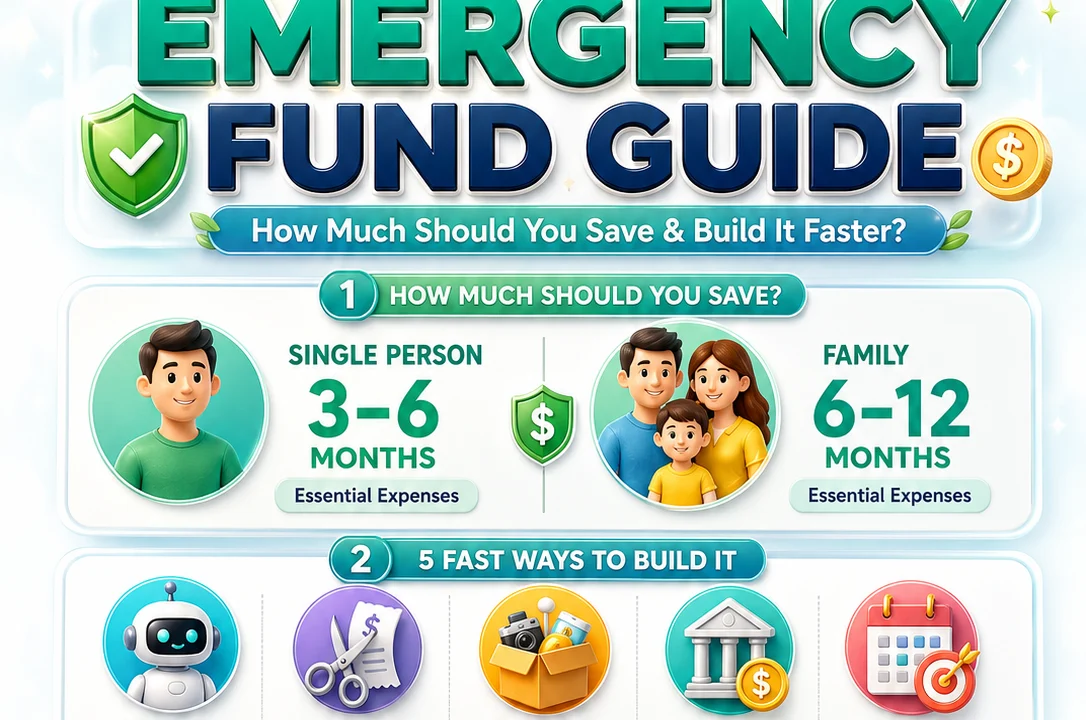
For individuals navigating life solo, the general consensus leans towards saving between three to six months of essential living expenses. What are these essentials? Let’s break it down:
- 🏠 Rent or mortgage payments
- 🍎 Groceries and food costs
- 💡 Utilities (electricity, gas, water)
- 🚗 Transportation (car payments, fuel, public transit)
- 📱 Phone and internet bills
- 🏥 Insurance premiums (health, auto, renters/homeowners)
- 💳 Minimum debt payments (student loans, credit cards)
Example: If your monthly essential expenses add up to $2,500, your target emergency fund would realistically fall within the range of $7,500 (3 months) to $15,000 (6 months). 💰
The exact figure within this range depends on several factors. If you have a stable job with excellent job security, you might lean towards the lower end. Conversely, if you’re a freelancer 🧑💻, have an irregular income stream, or have ongoing health concerns 🩺, aiming for the higher end (closer to six months) provides a more robust safety net. Your existing support systems (family, friends) can also play a role in this decision.
For the Nurturing Hub: How Much Should Families Save? 👨👩👧👦
Families, by their nature, often face higher and more complex expenses. Unexpected costs can impact multiple family members simultaneously, necessitating a more substantial financial cushion. For households with children or multiple dependents, the recommendation typically expands to six to twelve months of essential household expenses.
Consider these typical family expenses:
- 🏡 Housing costs (mortgage/rent, property taxes, insurance)
- 🍎 Food and groceries for all family members
- 👶 Childcare and education-related expenses
- 🚘 Transportation for work, school, and activities
- 🏥 Health insurance premiums and out-of-pocket medical costs
- 📱 Communication services (internet, mobile plans)
- 💡 Utilities
- 🎶 Extracurricular activities and essential supplies
Example: If a family’s essential monthly expenses total $4,500, their recommended emergency savings could range from $27,000 (6 months) to $54,000 (12 months). 🏡👨👩👧👦
A larger emergency fund for families offers greater protection against extended periods of income disruption, potential job loss for a primary earner, or the need to cover multiple unforeseen events concurrently. It provides a more comprehensive safety net during critical times.
Navigating the Nuances: Factors Influencing Your Emergency Fund Goal 🧭
As we’ve established, personal circumstances are key. Here are the critical factors that will shape your ideal emergency fund target:
- Employment Stability: Are you in a highly secure industry with a long-standing employer, or do you work in a field prone to layoffs or cyclical employment? Greater job insecurity warrants a larger emergency fund. 💼
- Income Reliability: If your household relies on a single income source, a job loss would have a more significant impact than if multiple reliable incomes contribute to the household budget. 💰💰
- Health Considerations: Individuals with chronic health conditions or higher-than-average healthcare needs should aim for a larger emergency fund to cover potential medical expenses not fully covered by insurance. 🩺
- Family Dynamics & Dependents: Parents and caregivers often have greater financial obligations. The presence of children or elderly dependents increases the importance of a substantial emergency fund. 👨👩👧
- Cost of Living in Your Area: Major metropolitan areas or regions with a high cost of living will naturally require larger savings to cover essential expenses compared to more affordable areas. 🏙️➡️🏘️
- Dependence on a Single Vehicle: If your car is your sole means of transportation for work or essential errands, a major repair can be a critical emergency. The cost and time to repair or replace it should factor into your planning. 🚗💨
- Geographic Location & Natural Disaster Risk: Living in an area prone to natural disasters (hurricanes, earthquakes, floods) might necessitate a larger fund to cover relocation, temporary housing, or significant property damage. 🌊🌋
Defining ‘Emergency’: What Qualifies and What Doesn’t 🚫
One of the most common pitfalls when building an emergency fund is blurring the lines between genuine emergencies and planned expenses. Your emergency fund is sacred ground, reserved for true crises, not discretionary spending.
Avoid dipping into your emergency fund for:
- 🎁 Holiday gifts and celebrations
- ✈️ Vacations and leisure travel
- 📱 Upgrading your phone or other electronics
- 🛋️ Purchasing new furniture or home décor
- 🎉 Entertainment expenses (concerts, movies)
- 🛍️ Impulse purchases or non-essential shopping
- 🚗 Routine car maintenance (oil changes, tire rotations)
- 👗 Non-urgent clothing purchases
These types of expenses should be planned for and saved for separately through dedicated sinking funds or budget allocations. Treating your emergency fund with this strict discipline ensures its integrity and availability when you truly need it. 🙏
Where to Park Your Precious Emergency Fund: Smart Storage Solutions 🏦
The ideal home for your emergency fund strikes a delicate balance between accessibility and security. You need to be able to access the funds quickly when an emergency strikes, but you also want to protect your principal and ideally earn some interest.
Consider these key features for your emergency fund account:
- Easy Accessibility: Funds should be available within a day or two, not locked away with long withdrawal periods. ⏱️
- Low Financial Risk: Your principal balance should be protected. Avoid accounts that could lose value. 🛡️
- Safety and Security: Look for accounts insured by the FDIC (in the US) or equivalent national deposit insurance schemes. 💯
- Competitive Interest Earnings: While not the primary goal, earning some interest helps your savings grow and combat inflation slightly. 📈
High-Yield Savings Accounts (HYSAs): These are often the gold standard for emergency funds. They offer significantly better interest rates than traditional savings accounts while maintaining the safety and accessibility you need. Many HYSAs are online-only, allowing them to pass on higher yields to customers. 💻💰
What to Avoid:
- Stocks and Volatile Investments: The stock market can experience downturns. You don’t want to check your emergency fund during a crisis only to find it has decreased in value. 📉
- Certificates of Deposit (CDs) with Long Maturities: While CDs offer fixed rates, early withdrawal penalties can negate your earnings and might make accessing the money in an emergency difficult. ⏳
- Checking Accounts: While accessible, checking accounts typically offer very low-interest rates, meaning your money isn’t working as hard for you. 😴
Your Blueprint for a Stronger Financial Future: The Emergency Fund Journey 🚀
Building an emergency fund is one of the most empowering financial decisions you can make. It’s not just about accumulating dollars; it’s about cultivating peace of mind, reducing financial vulnerability, and building a robust foundation for achieving your larger financial dreams. Whether your initial goal is three months of expenses or a more comprehensive twelve months, every dollar saved is a step towards greater security. 💪
The beauty of building an emergency fund lies in its accessibility. You don’t need a perfect budget or a sudden windfall to start. Consistency is your greatest ally. Small, regular contributions, when made diligently over time, can transform into a substantial safety net, preparing you to face life’s uncertainties with unwavering confidence. ✨
🚀 Five Proven Strategies to Accelerate Your Emergency Fund Growth 🚀
Saving several months’ worth of living expenses might seem like a monumental task initially. However, by implementing consistent habits and smart strategies, you can make this achievable goal a reality. The key is to move beyond waiting for ‘extra’ money and instead create systems that automate and sustain your savings efforts.
-
🤖 Automate Your Savings: The Set-It-and-Forget-It Method
The most effective way to ensure consistent savings is to make it automatic. Schedule recurring transfers from your primary checking account to your dedicated emergency savings account. Ideally, this transfer should happen immediately after you receive your paycheck. Treat this savings contribution as a non-negotiable bill, just like your rent or utilities. This automation removes the temptation to spend the money and builds a powerful long-term saving habit. Even small, regular deposits – perhaps $25 to $100 each week – can accumulate into a significant financial buffer over time. 🏦➡️💸
-
✂️ Trim One Unnecessary Expense: The Power of Small Sacrifices
You don’t need to live like a monk to save money! Instead, identify just one recurring expense that provides minimal value or enjoyment. Perhaps it’s daily gourmet coffee runs ☕, frequent takeout meals 🥡, underutilized streaming subscriptions 📺, or those impulse online shopping sprees 🛍️. Redirect the money you would have spent on this non-essential item directly into your emergency fund. Small, consistent cutbacks often yield substantial results over the long haul. ✂️➡️💰
-
📦 Declutter and Sell: Turn Unused Items into Emergency Cash
Many of us accumulate items we no longer use or need. These dormant possessions can be a fantastic source of quick cash for your emergency fund! Go through your closets, garage, and storage spaces and identify items like old electronics 💻, unworn clothing 👕, books 📚, gaming consoles 🎮, or unused furniture 🛋️. Online marketplaces and local community groups make selling these items easier than ever. Not only will you boost your savings, but you’ll also declutter your living space! ✨➡️💵
-
🏦 Choose a High-Yield Savings Account: Let Your Money Earn
While the primary purpose of your emergency fund is security and accessibility, it’s wise to ensure your savings are working for you. A high-yield savings account (HYSA) offers a secure place for your funds while providing a much better interest rate than traditional savings accounts. This means your money grows steadily with minimal effort, helping to combat inflation and accelerate your progress towards your goal. 📈💲
-
🎯 Set Achievable Weekly Savings Goals: Break It Down
Large financial goals can feel daunting. To make them more manageable, break them down into smaller, weekly milestones. Instead of focusing on saving thousands, aim to save a specific, achievable amount each week, such as $25, $50, or $100. Celebrate reaching each weekly goal to maintain motivation and build momentum. Consistency in these smaller targets often proves more effective than sporadic large deposits. 🎉➡️💰
📊 Monitor Your Progress: Stay on Track and Motivated
Keeping your savings goal visible is crucial for maintaining discipline and motivation. Utilize various tracking methods to monitor your emergency fund’s growth:
- 📱 Budgeting apps with savings trackers
- 📒 A dedicated savings journal
- 📊 Spreadsheet software for detailed tracking
- 🏦 Your online banking platform’s progress tools
Review your emergency fund balance at least monthly. As your income or expenses change over time, remember to adjust your savings goal accordingly to ensure it continues to meet your financial needs and security requirements. 📈➡️✅
⚠️ Common Emergency Fund Pitfalls to Sidestep ⚠️
Even the most well-intentioned savers can stumble. Be aware of these common mistakes that can undermine the effectiveness of your emergency fund:
- ❌ Spending on Non-Emergencies: Vacations, gifts, and impulse buys should never come from your emergency fund. Use separate savings categories for these. 🙅♀️
- ❌ Investing Emergency Savings: Your emergency fund needs to remain stable and readily accessible, not subject to market volatility. 🚫💹
- ❌ Setting Unrealistic Goals: Trying to save a massive sum in a short period can lead to frustration and discouragement. Start small and gradually increase your contributions. 🌱➡️🌳
- ❌ Forgetting About Inflation: Review your fund annually. As the cost of living rises, your target savings amount should increase to maintain its real value. ⬆️💲
- ❌ Stopping After Reaching Your Goal: If you utilize a portion of your emergency fund, make rebuilding it to its full target amount a priority. Your safety net should always be ready. 🔄
🌟 Embrace Financial Confidence: Your Emergency Fund Journey Starts Today! 🌟
An emergency fund is far more than just a savings account; it’s the bedrock of your financial resilience. It acts as a powerful shield against unexpected expenses, reduces your reliance on debt, and provides the stability needed to pursue your long-term financial aspirations. Whether you’re an individual aiming for three months of coverage or a family building a more substantial reserve, every dollar you consistently save brings you closer to a state of true financial security and freedom. 🚀
Remember, success in building an emergency fund isn’t about perfection; it’s about unwavering consistency. Small, regular contributions, made diligently over time, create meaningful financial protection. This allows you to face life’s inevitable uncertainties with significantly greater confidence and peace of mind. 🙌
Start building your emergency fund today with SmartSave.top! Your future self will thank you. 🙏😊


