
Embarking on a journey to build wealth often begins with the commendable goal of stretching every dollar. 💰 However, there’s a significant divergence between mindful spending and falling into the trap of excessive penny-pinching, which can inadvertently sabotage your financial aspirations. 📉
Cutting corners too aggressively can frequently lead to unforeseen expenses, a considerable waste of precious time, or the premature demise of purchased goods. 🚪 Understanding and identifying these common frugality pitfalls is paramount to safeguarding your net worth while making more intelligent spending decisions on your everyday necessities. 🧠
When Does Saving Money Become Counterproductive? 🤔
Saving money can backfire when seemingly thrifty habits introduce hidden secondary costs that outweigh the initial savings. Classic scenarios include opting for low-quality items that break quickly, attempting intricate DIY repairs without adequate expertise, driving extensive distances to shave off minuscule amounts on fuel, and purchasing perishable goods in bulk only to see them spoil and be discarded. 🗑️
Let’s delve into seven classic frugality traps that might be silently eroding your finances, and explore how SmartSave.top can empower you to achieve genuine financial independence. 🚀
🥩 1. Bulk Buying Perishable Groceries Without a Concrete Meal Plan 🛒
Stocking up at warehouse clubs or bulk retailers can appear as an immediate win for your household budget. 🏭 Enormous bags of fresh produce, substantial blocks of cheese, and family-sized bakery items often boast impressive unit price discounts on paper. 🏷️
The crucial caveat is that unless you have a meticulously planned meal preparation schedule or a very large household, a significant portion of that fresh food is likely to succumb to spoilage in your refrigerator before it ever graces your dinner table. 🥦 The act of discarding spoiled groceries effectively nullifies any initial savings, transforming a perceived smart decision into a costly exercise in waste. 🗑️
💡 Smart Strategy: Focus on Non-Perishables and Proper Storage
- Prioritize Pantry Staples: Opt for bulk purchases of non-perishable items like rice, dry beans, pasta, oats, paper products, and canned goods. These have significantly longer shelf lives compared to fresh produce or baked goods. 🥫
- Immediate Freezing & Portioning: For items like meat, bread, or pre-made meals bought in bulk, divide them into single-serving portions immediately upon purchase and freeze them. This prevents spoilage and makes meal planning easier. 🧊
Aligning your grocery acquisitions with your actual consumption patterns is the key to minimizing food waste and keeping more cash in your wallet. 💵
📌 Key Takeaway
Unused bulk food isn’t a discount; it’s an expensive illusion. Before you fill those oversized carts, critically assess your household’s consumption habits and meal plans. 🛒
🔨 2. Overestimating DIY Skills for Home & Auto Repairs 🚗
Tackling home improvement projects or basic vehicle maintenance yourself can indeed lead to substantial savings on labor costs. 🧰 Tasks like painting a spare room, replacing an air filter, or changing a flat tire are generally manageable for individuals with basic DIY aptitude. 🎨
However, venturing into complex electrical wiring, extensive plumbing overhauls, or critical brake system repairs without the requisite experience and knowledge often culminates in significant property damage, safety hazards, or even personal injury. 🚨 Subsequently, engaging licensed professionals to rectify a botched DIY endeavor invariably costs far more than it would have to hire them in the first place. 🛠️
📊 DIY vs. Professional Service: A Cost-Benefit Analysis
| Household Task 🏠 | DIY Risk Level ⚠️ | Potential Fail Cost 💸 | Recommended Action 🎯 |
|---|---|---|---|
| Basic Painting & Caulking 🎨 | Low 🟢 | $50 (Touch-up paint, minor material cost) | Great DIY project! 🖌️ |
| Electrical Panel Work ⚡ | Extreme 🔴 | $2,000+ (Potential for fire damage, major rewiring) | Hire a licensed pro 👨🔧 |
| Deep Pipe Plumbing 🚰 | High 🟡 | $1,500+ (Significant water damage, mold remediation) | Hire a licensed pro 🔧 |
| Brake System Repair 🚗 | High 🟡 | $500+ (Vehicle damage, safety risk leading to accident) | Hire a certified mechanic 🛠️ |
💡 Quick Tip
Honestly assess your skill set and limitations! Reserve your DIY enthusiasm for low-risk, cosmetic projects. For any work involving structural integrity, water systems, electrical grids, or critical safety components, always defer to trained and licensed experts. 🛡️
⛽ 3. Driving Across Town to Save Pennies on Gas 🚗
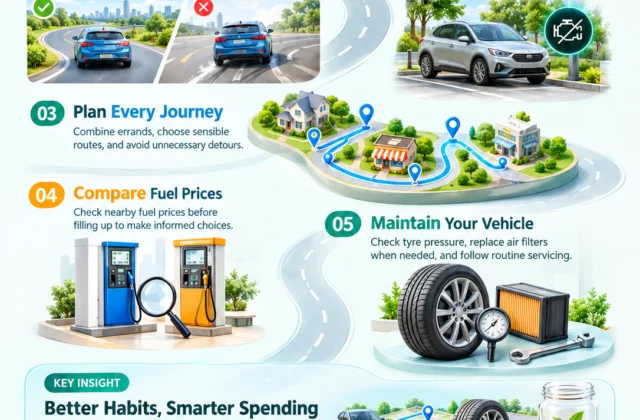
The allure of saving a few cents per gallon by driving five miles out of your way to a specific gas station can feel like a small victory at the pump. ⛽ However, when you perform a realistic calculation, the actual savings rarely exceed a dollar or two per fill-up. 🧮
Consider the hidden costs: the extra fuel consumed during the detour, the added mileage accumulating on your vehicle’s odometer (increasing wear and tear), and the valuable time spent sitting in traffic. These factors invariably negate those minuscule savings at the pump. 🚙 Your time and your vehicle’s longevity possess tangible monetary value that warrants protection. ⏰
- Value Your Time: Spending 30 minutes in traffic to save $1 is akin to working for a rate of $2 per hour. Is that an efficient use of your time? ⏱️
- Utilize Fuel Apps Wisely: Leverage smartphone applications that display local gas prices. Check prices along your existing commute or regular routes rather than making special trips. 📱
Focusing your energy on high-impact financial strategies will yield far superior returns than chasing trivial savings across town. 🗺️
⚠️ Common Mistake to Avoid
Never overlook the costs associated with vehicle depreciation and wear-and-tear when driving extra miles solely to redeem minor coupons or chase marginal discounts. 🚙
👞 4. Opting for Ultra-Cheap Quality Items That Deteriorate Rapidly 👟
Choosing the absolute cheapest footwear, appliances, or work clothing might seem like the most economical choice at the point of purchase. 👟 Unfortunately, products manufactured with ultra-low-cost materials and processes often break down or wear out prematurely after just a few months of moderate use. 📉
The cycle of replacing flimsy, low-quality items three or four times over a couple of years ends up costing significantly more than making a single, upfront investment in a durable, well-made product. 👞 This phenomenon is a real-world manifestation of the “Sam Vimes Boot Theory” of socioeconomic unfairness, where those with less money are forced to buy cheaper, less durable goods repeatedly, ultimately costing them more. 👢
🧠 Expert Insight: Embrace the Cost-Per-Use Philosophy
Shift your focus from the initial price tag to the cost-per-use. Paying $150 for a pair of boots that last five years ($30 per year) is considerably more cost-effective than buying $50 boots that fall apart every six months ($100 per year). This principle applies across a wide range of purchases, from clothing and electronics to household goods.
Investing in durable, high-quality gear pays dividends over time by eliminating the need for frequent replacement purchases, thereby lightening the burden on your credit card or your savings account. 💳
🛍️ 5. Opening Store Credit Cards Solely for a One-Time Discount 💳
Retail cashiers are adept at offering an enticing 15% discount on your current purchase if you agree to sign up for their store-specific credit card at the checkout counter. 🛍️ Securing an immediate $20 off an apparel haul can feel like effortless savings in the moment. 🏷️
The insidious truth about many store credit cards is their astronomically high annual percentage rates (APRs), often soaring beyond 28% to 30%. 📈 If you carry a balance for even a couple of billing cycles, the accumulated interest charges will not only obliterate your initial savings but also add a significant burden of high-interest debt to your monthly budget. 💸
- 🚨 High APR Traps: Interest charges on these cards escalate with alarming speed. Missing even a single payment deadline can lead to substantial financial penalties.
- 📉 Credit Score Dips: Applying for multiple store credit cards can result in several hard inquiries on your credit report. This can lower your average credit account age and negatively impact your credit score, making it harder to secure favorable rates on essential loans in the future.
📝 Key Takeaways for Value-Driven Spending Strategies 📝
- 🧠 Prioritize Long-Term Value Over Short-Term Price: When evaluating potential purchases, focus on durability, functionality, and the overall cost-per-use rather than simply chasing the lowest upfront price tag.
- 🥦 Plan Bulk Purchases Strategically: Commit to buying non-perishable pantry staples in bulk. For fresh items, integrate them into your weekly meal plans to ensure they are consumed before spoiling.
- 🛠️ Respect Your DIY Limitations: Recognize the difference between simple cosmetic tasks and high-risk repairs. Entrust professionals with critical plumbing, electrical, and structural projects to avoid costly mistakes.
- ⏱️ Value Your Time and Resources: Avoid spending excessive hours driving long distances for minor fuel savings or clipping coupons for trivial discounts. Reinvest that time into more productive activities.
- 🚀 Invest Your Genuine Savings: Redirect the money you save by avoiding these frugality traps into sound investments like index funds or high-yield savings accounts to build sustainable wealth.
🏁 Final Thoughts: Cultivating True Wealth Through Value Maximization 🏁
Achieving financial security and building lasting wealth is fundamentally about maximizing value, not about stripping away every ounce of comfort and enjoyment from your life. By consciously avoiding these common cheapness traps, you free up your time, maintain an organized living space, and foster a steadily growing bank balance. 💎
When you adopt a mindset of evaluating purchases based on their long-term utility and durability, every dollar you spend works more effectively towards securing your future self. Make intentional spending choices, sidestep short-sighted shortcuts, and allow your savings to compound wisely over time. 🌲
Take decisive control of your personal financial strategy today. Explore our comprehensive collection of practical budgeting guides, insightful calculators, and effective habit-building tools right here on SmartSave.top to accelerate your net worth growth! 🚀👇
Disclaimer: This content is for informational purposes only and does not constitute financial advice. Always consult with a qualified financial professional before making any financial decisions.