
Every payday arrives brimming with promise, a fresh injection of funds signaling opportunity. Yet, for countless individuals, the familiar question lingers: “Where did all my money go?” 🤔 This isn’t a reflection of meager earnings; often, it’s the absence of a deliberate financial blueprint. This comprehensive guide is your roadmap to transforming your salary from a fleeting resource into a foundation for enduring prosperity. We’ll delve into assigning purpose to every pound, minimizing financial anxiety, cultivating robust money habits, and making informed financial choices month after month. Whether you’re embarking on your financial journey or seeking to refine your current approach, these principles are designed to empower you with confidence and complete financial control. 🌱 Small, consistent, and intentional financial decisions made today pave the way for a future marked by enhanced security, greater flexibility, and profound peace of mind. 🌟
Making Every Payday Count: From Paycheck to Prosperity 💸
The arrival of your salary can evoke a sense of accomplishment and financial stability. Bills seem manageable, and your financial landscape appears orderly. However, this feeling can be fleeting for many. Within days, account balances dwindle, and by month’s end, the anticipation for the next paycheck begins. ⏳
Surprisingly, this common predicament isn’t always a symptom of insufficient income. More often, it stems from a lack of a clear spending strategy. Understanding precisely where your money flows and consciously directing each pound toward a specific objective can revolutionize your financial management. A well-structured budgeting framework has the power to significantly reduce stress, bolster financial confidence, and lay the groundwork for a more secure future. 🏗️
The Illusion of Financial Progress: Why Payday Feels Short-Lived 💡
Receiving your hard-earned salary should feel like a reward. However, without a thoughtful spending plan, income can quickly evaporate across a multitude of daily expenditures. Some of these are absolute necessities, while others occur almost automatically, slipping by without conscious consideration. 🛒☕🍔🎬
Consider the typical monthly outlays:
- 🏠 Housing expenses (rent or mortgage)
- 🛒 Groceries and household supplies
- 🚗 Transportation costs (fuel, public transport, car payments)
- ⚡ Utility bills (electricity, gas, water)
- 📱 Digital subscriptions and services
- ☕ Daily coffee or convenience purchases
- 🍔 Frequent takeaway meals
- 🎬 Entertainment and leisure activities
Individually, these purchases might seem insignificant. The true challenge lies in their cumulative impact. Those seemingly small, repetitive expenditures throughout the month can accumulate to a far greater sum than a single, large outlay. Recognizing this pattern is the crucial first step toward achieving superior financial stewardship. 🎯
The Real Culprit: It’s Not Necessarily Your Income 📉
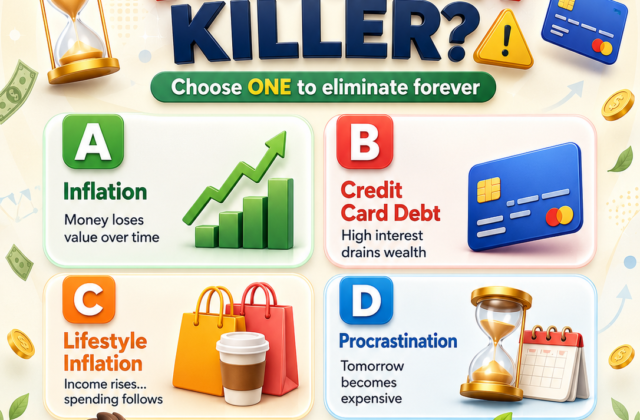
A pervasive belief is that financial stability hinges solely on earning more money. While a higher income certainly unlocks more possibilities, it doesn’t automatically guarantee financial success. Without effective money management, spending tends to escalate in tandem with earnings. This phenomenon, widely known as ‘lifestyle inflation,’ means that increased income is often met with increased expenditure, leaving savings stagnant and financial progress elusive. 🎈
Consequently:
- 💳 Savings accounts remain critically low.
- 📉 Investments are indefinitely postponed.
- ⚠️ Emergency funds fail to materialize.
- 😟 Pervasive financial stress persists.
In many cases, achieving financial clarity and control offers far greater benefits than simply securing a larger paycheck. Clarity empowers you to make your existing income work harder for you. 🧠
The Power of Purpose: Why Every Pound Deserves a Job 💼
Money functions most effectively when each unit has a defined role and destination. Shift your perspective from the reactive question, “Where did all my money disappear to?” to the proactive query, “What specific financial objectives should this money accomplish before my next payday?” 🧐
This subtle yet profound mental adjustment transitions your approach from merely responding to expenses to strategically planning for them. Purposeful budgeting instills confidence because, before any spending occurs, every pound has already been assigned its designated task. This preemptive planning eliminates much of the guesswork and anxiety associated with managing your money. ✅
The 50% Rule: Securing Your Daily Living Essentials 🏠
The largest segment of your income should be dedicated to covering the fundamental necessities of daily life. These are the expenses that ensure your household runs smoothly and provides a stable environment.
Typical essential expenses include:
- 🏡 Rent or mortgage payments
- 🛒 Grocery shopping for food and essential household items
- 🚆 Transportation costs (fuel, public transit passes, car insurance)
- ⚡ Utility bills (electricity, gas, water, internet)
- 📱 Mobile phone service
- 🩺 Health insurance premiums and essential medical expenses
If these essential costs consistently consume more than half of your income, it may be time to meticulously review your recurring expenditures. Often, opportunities exist to optimize these expenses and improve your overall monthly budget. Look for areas where you might negotiate better rates or find more cost-effective alternatives. 🔎
The 20% Rule: Investing in Your Future Security 📈
One of the most significant financial missteps is deferring savings and investments with the misguided notion of tackling them “later.” However, the future is not a distant concept; it begins with the decisions you make today. Setting aside approximately 20% of your income is a powerful strategy for building robust long-term financial security. This crucial portion of your budget should be allocated to several key areas:
- 🌧️ Emergency Savings: Life is unpredictable. Car repairs, unexpected medical bills, or urgent home maintenance can arise without warning. A dedicated emergency fund acts as a crucial buffer, preventing these unforeseen events from spiraling into full-blown financial crises. Aim to build a fund covering 3-6 months of essential living expenses. 🛡️
- 📈 Investments: Investing is about making your money work for you. Through consistent, strategic investing, your capital can grow over time, potentially outperforming inflation and building wealth beyond your employment income. Explore various investment vehicles like stocks, bonds, or mutual funds, aligning them with your risk tolerance and financial goals. 📊
- 🏦 Retirement Planning: The earlier you begin saving for retirement, the more potent the effect of compounding growth. Small, consistent contributions made over many years can accumulate into a substantial nest egg, offering greater financial flexibility and freedom in your later years. Don’t underestimate the power of starting early. 👴👵
- 💳 Paying Down High-Interest Debt: High-interest debt, such as credit card balances, can be a significant drain on your finances. Prioritizing its repayment not only frees up cash flow each month but also reduces the overall financial burden you’ll face in the future. Every payment made today strengthens your tomorrow. 💳➡️✅
The 10% Rule: Fueling Your Bigger Dreams 🎯
While daily necessities and future security are paramount, it’s equally important to acknowledge and plan for your aspirations and dreams. Creating a distinct savings category for significant personal goals can transform abstract wishes into tangible, achievable plans.
These meaningful goals might include:
- 🏡 Saving for a down payment on a home
- ✈️ Funding enriching travel experiences
- 🎓 Investing in further education or skill development
- 👨👩👧 Celebrating major family milestones
- 🚗 Saving for a new vehicle
- 💼 Establishing or expanding a business venture
Consistent saving, even in modest amounts, builds momentum and reinforces positive financial behavior. Remember, significant achievements are invariably the culmination of numerous smaller, well-executed financial decisions. 🌟
The Final 20%: Enjoying Your Money Guilt-Free! 😊
A budget should never feel like a punitive measure. Life is meant to be lived and enjoyed! Allocating a specific portion of your income for enjoyment ensures that leisure activities are planned rather than impulsive. This promotes healthier spending habits because these expenses are already accounted for within your financial framework.
This “fun money” category can encompass:
- 🍽️ Dining out at your favorite restaurants
- 🎬 Attending movies, concerts, or other entertainment events
- 🎮 Pursuing hobbies and personal interests
- 🎨 Engaging in creative pursuits or activities
- 🏖️ Enjoying weekend getaways or social outings
- 🎁 Treating yourself or loved ones to small, meaningful gifts
Instead of experiencing guilt over spending, you can savor these experiences with the confidence that they align perfectly with your financial plan. Finding this balance is crucial for a sustainable and enjoyable budgeting approach. It’s about living well within your means, not about deprivation. 🎉
Progress Over Perfection: Embracing Flexibility 🌱
A common pitfall that leads many to abandon budgeting is the pursuit of absolute perfection. The reality is that life is inherently unpredictable. Unexpected expenses, fluctuations in income, and sudden emergencies are inevitable. Therefore, your budget should be viewed as a flexible guide, not a rigid set of unbreakable rules.
The ultimate objective of budgeting is to cultivate a heightened awareness of your financial flows each month. Even marginal improvements in your spending habits and saving strategies can yield significant long-term benefits. Don’t get discouraged by occasional deviations; simply adjust and get back on track. The journey to financial well-being is a marathon, not a sprint. 🏃♀️💨
The Ripple Effect: Small Decisions, Monumental Outcomes 🌊
True financial success is rarely the result of a single, grand financial gesture. Instead, it is meticulously crafted through the accumulation of consistent, daily choices.
Consider the impact of seemingly minor spending habits:
- ☕ The daily purchase of a specialty coffee on the way to work.
- 🍕 Ordering takeaway meals multiple times per week.
- 📱 Subscribing to services or apps that are no longer used.
- 🛍️ Indulging in impulse online purchases.
- 🚕 Opting for convenience over planned transportation.
While each of these decisions may seem trivial in isolation, their collective impact over weeks, months, and years can amount to hundreds, if not thousands, of pounds. Diligently tracking these habits provides invaluable insights, highlighting precisely where adjustments can be made to redirect funds toward your financial goals. 🕵️♀️
Cultivating a Monthly Money Routine: From Chaos to Control 📅
Managing your finances transforms from a daunting task into a streamlined process when it becomes a consistent habit rather than a reactive response to financial pressures. Establishing a simple yet effective monthly routine can dramatically simplify your financial life.
Your routine might include:
- 🌟 Review Your Income: Begin by accurately calculating the total amount of money that will be deposited into your accounts during the month. Clarity on your incoming funds is the essential first step. 🧮
- 🌟 Allocate Every Category: Before any spending commences, consciously assign specific amounts to your essential needs, future planning (savings and investments), personal aspirations, and enjoyable discretionary spending. Give every pound a purpose. 🗺️
- 🌟 Monitor Weekly Spending: Conduct a brief review of your spending at least once a week. This proactive check helps identify any potential overspending or budget deviations early on, preventing them from escalating into significant problems. ⏱️
- 🌟 Adjust When Necessary: Your budget is a living document that should evolve with your life circumstances. Changes in income, family dynamics, or financial objectives may necessitate adjustments to your plan. Maintaining flexibility ensures your budget remains realistic and effective. 🔄
Building Financial Confidence Through Clarity 🚀
Money becomes a source of empowerment, not anxiety, when every pound has a clearly defined purpose. Instead of questioning where your salary has vanished, you begin to make intentional financial decisions that strategically support both your immediate needs and your long-term ambitions.
Financial confidence is not born from faultless execution; it emerges from a deep understanding of your income, a strategic plan for your spending, diligent preparation for the unexpected, and a steady, consistent movement towards your most cherished financial goals.
Whether your primary objective is to alleviate financial stress, build a robust savings cushion, invest wisely for the future, or simply ensure your salary stretches comfortably until the next payday, the journey begins with a single, powerful decision:
Assign a purpose to every pound before you spend it. ✨
🌟 Final Reflections on Financial Empowerment 🌟
While an increased salary undoubtedly opens doors to greater financial opportunities, enduring financial stability is fundamentally determined by the skill with which income is managed, not merely the amount earned. Cultivating simple budgeting habits, committing to consistent saving, and engaging in intentional spending are the cornerstones of building a resilient financial foundation over time.
Each payday is far more than just money appearing in your account; it’s a fresh opportunity to actively build and enhance your financial freedom. Begin with a clear, actionable plan, maintain your consistency, and always remember that long-term financial success is ingeniously constructed through hundreds of smart, deliberate decisions – one payday at a time. You’ve got this! 💪
Frequently Asked Questions (FAQs) ❓
- Why does my salary seem to disappear so quickly?
- Small, everyday expenses, when not consciously planned for, can accumulate rapidly and often exceed initial expectations, leading to a feeling that your salary vanishes too fast. 💨
- What is the 50/30/20 budgeting method often recommended?
- This popular method suggests allocating 50% of your income to needs (essentials), 30% to wants (discretionary spending), and 20% to savings and debt repayment. Our adjusted 50/20/10/20 model emphasizes essentials, future planning, specific goals, and enjoyment. 📊
- Do I need to follow these percentage guidelines precisely?
- No, absolutely not! These percentages serve as flexible guidelines, not rigid mandates. They are intended to provide a framework that you can adapt to your unique financial situation, income level, and personal priorities. Flexibility is key to a sustainable budget. 🤸♀️
- What makes budgeting so important?
- Budgeting is crucial because it brings clarity to your financial picture, significantly reduces money-related stress, and empowers you to make conscious, intentional spending decisions that align with your goals. It puts you in the driver’s seat of your finances. 🚗
- How much should I realistically aim to save each month?
- The most effective approach is to save consistently. Even modest monthly contributions, when made regularly, can grow substantially over the long term, thanks to the power of compounding. Aim for a percentage that feels achievable for you. 💰
- What types of expenses should typically be covered by an emergency fund?
- An emergency fund is designed for unexpected and unavoidable expenses such as sudden medical bills, urgent car or home repairs, or temporary loss of income due to unforeseen circumstances. It’s your safety net. ⛑️
- Can implementing a budget truly help reduce money-related stress?
- Yes, unequivocally! By planning your spending and knowing where your money is going, you eliminate much of the uncertainty and anxiety associated with finances, leading to greater peace of mind and increased financial confidence. 😊
- Does budgeting mean I have to give up all entertainment and fun?
- Not at all! A well-balanced budget specifically includes an allocation for entertainment and enjoyment. The goal is to enjoy your life within planned financial limits, not to deprive yourself. It’s about smart spending for happiness. 🥳
- How often should I review and potentially adjust my budget?
- It’s highly recommended to review your spending at least weekly to catch any issues early. A more thorough review and adjustment of your budget should occur monthly, as your circumstances and financial goals may change. 📅
- What is the most common cause of significant financial problems for individuals?
- Often, major financial difficulties stem from a lack of proactive planning combined with the cumulative effect of repeated, unplanned spending habits that drain resources without conscious awareness. 📉
- Can small, everyday purchases really have a substantial financial impact over time?
- Absolutely! Those seemingly minor daily or weekly expenditures, such as coffees, snacks, or impulse buys, can add up to significant sums over months and years, directly impacting your ability to save and invest. 🐜➡️🌳
- Could you explain the concept of ‘lifestyle inflation’?
- Lifestyle inflation occurs when an individual’s spending increases proportionally as their income rises. Instead of saving or investing the extra earnings, they tend to spend more on non-essential goods and services, thereby negating the financial benefits of a higher salary. 📈➡️💸
- What would you consider the single biggest mistake in budgeting?
- Arguably, the most significant budgeting mistake is failing to assign a specific purpose or destination to your income *before* you begin spending it. This reactive approach often leads to unplanned expenditures. 🤦♀️
- Why is it so important for every pound to have a designated purpose?
- Assigning a purpose to your money fosters greater financial awareness, promotes intentional spending, helps you track your progress towards goals, and ultimately leads to better financial decision-making and control. 🧭
- Can consistent budgeting actually contribute to building personal wealth?
- Yes, definitely! By encouraging disciplined saving, strategic investment, and more mindful spending, consistent budgeting lays a strong foundation for wealth accumulation over the long term. It’s about building assets deliberately. 🏦
Suggested Categories: Personal Finance, Budgeting, Wealth Building, Money Management, Financial Planning
Suggested Tags: budget tips, money management, financial planning, saving money, payday budgeting, wealth creation, smart spending, financial freedom, personal finance, income management, financial habits, budgeting strategies, financial control, financial confidence, emergency fund, investment basics, retirement planning, debt reduction, goal setting, lifestyle inflation, financial awareness