Have you ever experienced that baffling phenomenon where, despite a significant salary increase or a lucrative bonus, your bank account balance seems to mysteriously deplete over time? 🤔 You’re not alone! This insidious financial trap, often called lifestyle creep or lifestyle inflation, is a silent saboteur of long-term wealth. It’s the subtle process by which our spending habits expand in lockstep with our earnings, transforming once-luxurious desires into perceived everyday necessities. For many, this means staying tethered to the paycheck-to-paycheck cycle, even at higher income levels. At SmartSave.top, we’re dedicated to helping you break free from this cycle and build robust, generational wealth. Let’s dive deep into practical, actionable strategies to identify and dismantle lifestyle creep, reclaiming your financial destiny. 🗺️✨
Unmasking the Hidden Costs: Where Your Money Truly Goes 🕵️♀️
The path to financial stagnation is rarely a single, extravagant purchase. Instead, it’s often paved with a multitude of small, seemingly insignificant spending habits that, over time, drain your capital. These “micro-leaks” can significantly impact your ability to save and invest. Understanding where these leaks occur is the first crucial step toward plugging them and redirecting that capital towards your financial goals. 🎯
The Daily Delights That Diminish Your Dollars: Food & Beverage Habits ☕🍓
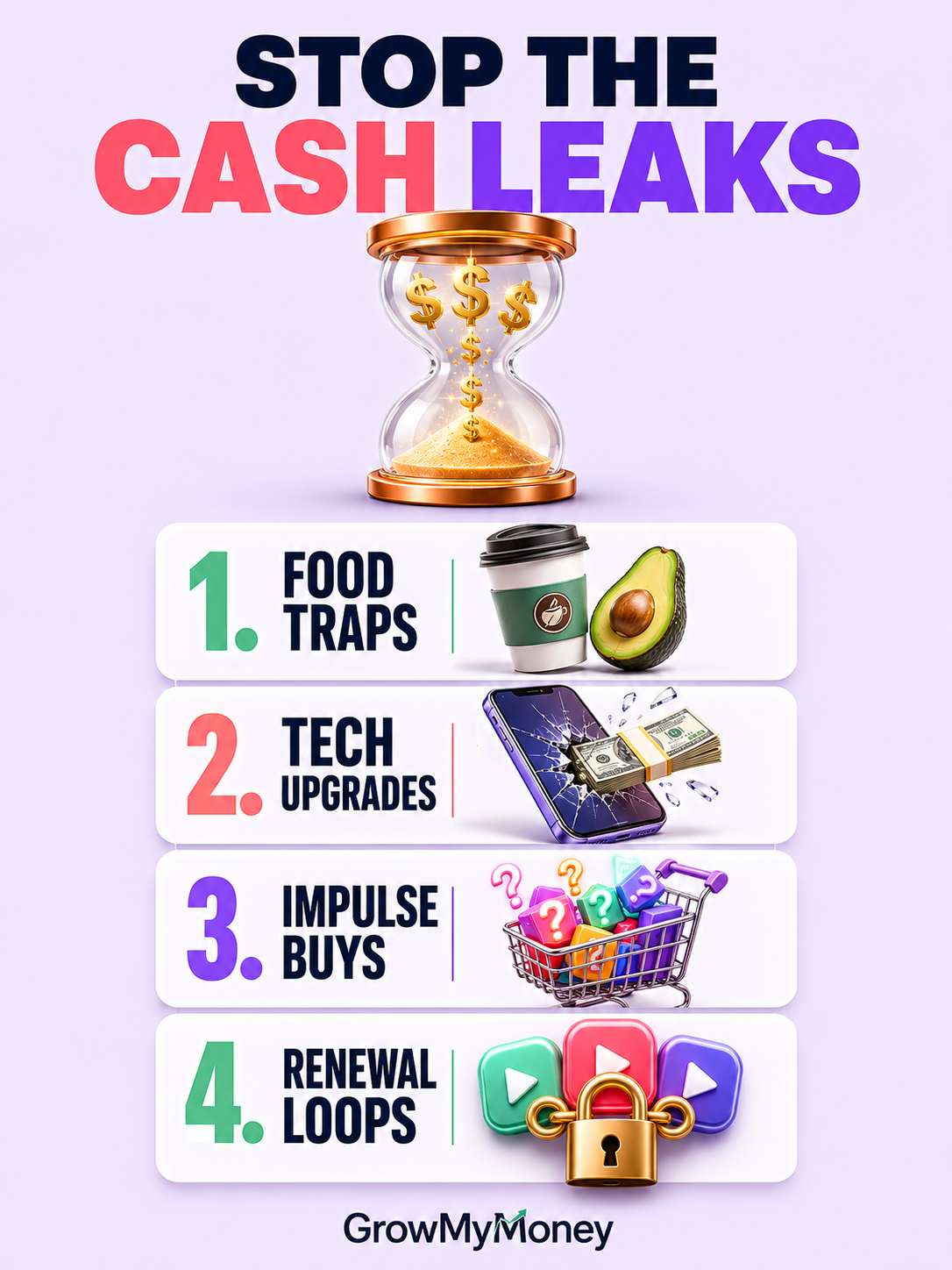
One of the most common culprits of lifestyle creep lies in our daily food and beverage choices. That fancy morning coffee, the artisanal smoothie grabbed on the go, or the convenient pre-packaged lunch can appear harmless individually. However, when these premium conveniences become a daily ritual, their cumulative cost can be staggering. Imagine spending $7 on a specialty coffee every workday – that’s over $1,800 annually! Multiply that by other small indulgences, and you’re looking at thousands of dollars vanishing from your savings potential each year. It’s time to recognize these high-frequency, low-involvement expenses for what they are: a significant drain on your wealth-building capacity. 💸
-
- Track Your Tastes: Audit your weekly spending on cafe purchases and convenience foods. You might be surprised at the total! 📊
-
- Embrace Home Brewing: Invest in a good coffee maker and prepare breakfast at home. The savings over time are immense. 🏡☕
-
- Calculate the Opportunity Cost: Multiply the daily cost of your indulgence by 365. Consider what that lump sum could earn if invested. 💰📈
-
- Create ‘Treat’ Budgets: Designate specific times or days for these premium treats, rather than making them an automatic daily occurrence. 🎉
-
- Strategic Bulk Buying: Purchase high-quality ingredients in larger quantities to replicate gourmet items at home for a fraction of the cost. 🍎🥦
The Tech Treadmill: Resisting the Annual Upgrade Cycle 📱🔄
The technology industry excels at creating a sense of urgency for the latest gadgets. Every year brings a new smartphone, tablet, or smartwatch with minor improvements that manufacturers market as revolutionary. While the dopamine hit of a new device is fleeting, the financial penalty is substantial. These rapid upgrades lead to immediate depreciation, and the constant desire for the newest model can easily become a significant expense. It’s essential to view technology as a tool for utility rather than a fashion statement. By extending the lifespan of your devices, you can save significant capital. 🛡️
-
- The Two-Year Rule: Commit to using your primary smart devices for at least 24-36 months. Patience pays dividends. ⏳
-
- Battery Replacement is Key: Often, a worn-out battery is the primary reason for perceived device obsolescence. Replacing it is far cheaper than buying new. 🔋💡
-
- Invest in Protection: High-quality cases and screen protectors can significantly extend the life of your current devices. 💪
-
- Acknowledge Plateauing Innovation: Recognize that year-over-year upgrades often offer marginal benefits that don’t justify the hefty price tag. 🤔
-
- Redirect Upgrade Funds: Calculate the cost of a new flagship device and immediately transfer that amount into a diversified investment portfolio. 🚀➡️
Your Home Haven: Curating Comfort Without Chasing Trends 🏠✨
Our homes should be our sanctuaries, but they can quickly become expensive cash drains if we fall prey to ever-changing interior design trends. Replacing furniture, repainting walls, and swapping out décor items to keep up with the latest styles can create a highly volatile and costly spending pattern. Sustainable wealth growth prioritizes tangible assets and equity, not fleeting aesthetic updates. A minimalist, organized, and capital-efficient living space contributes to financial well-being. 🏗️
-
- Embrace Timeless Quality: Invest in durable, neutral furniture and décor that will last for years, regardless of trends. 🛋️🕰️
-
- The 30-Day Rule for Renovations: Before embarking on any significant home décor project, wait a full month to ensure it’s a well-considered decision. 🗓️✔️
-
- Natural Accents: Use indoor plants, strategic lighting, and affordable decorative elements to refresh your space cost-effectively. 🌿💡
-
- Curate Your Inspiration: Unfollow social media accounts that constantly promote expensive, trend-driven home makeovers. 📵🚫
-
- Focus on Functionality: Evaluate décor choices based on their comfort and utility, not just their visual appeal. ✅
Wanderlust Wonders: Rationalizing Travel and Leisure Capital ✈️🌍
Exploring the world is a deeply enriching experience, but frequent, high-cost travel can significantly derail your wealth-building efforts. Booking expensive international flights every few months places a continuous, aggressive strain on your discretionary income. This constant outflow of capital prevents your investments from compounding effectively. Finding a balance between experiencing new places and preserving your financial momentum is key. ⚓
-
- Strategic Vacation Planning: Aim for one to two well-planned, intentional international trips per year. 🗺️📅
-
- Explore Local Gems: Opt for cost-effective regional road trips and discover hidden attractions closer to home. 🚗🏞️
-
- Maximize Rewards: Utilize airline miles, hotel points, and credit card rewards to offset travel expenses. 💳✈️
-
- Mindful Accommodation: Choose comfortable, clean mid-tier accommodations over ultra-luxury resorts that offer minimal added value for a premium price. 🏨
-
- Dedicated Travel Funds: Set up a separate savings account specifically for your travel expenses to avoid dipping into investment capital. 🏦✈️
Wardrobe Wisdom: Deconstructing Apparel Inflation 👔👗
While maintaining a professional appearance is important, falling into the trap of expensive casual wear and designer loungewear is a classic sign of lifestyle creep. True financial status is reflected in your net worth and investment portfolio, not the labels on your clothing. Shifting your focus to durable, high-quality basics can help you look polished without overspending on fleeting fashion trends. 🧥
-
- Prioritize Material Quality: Opt for well-made, non-branded essentials that offer longevity over fast fashion items with prominent logos.🧵🌟
-
- Build a Capsule Wardrobe: Create a versatile collection of interchangeable pieces that can be mixed and matched to create numerous outfits. 👕👖
-
- Identify Emotional Triggers: Be mindful of shopping habits driven by boredom, stress, or social comparison. Shop with intention. 🛑🛍️
-
- Practice Garment Care: Properly caring for your clothing and footwear can significantly extend their lifespan. ✨
-
- Shop Off-Season Sales: Purchase essential clothing items during clearance events rather than paying full price during peak season. 🏷️↘️
The Home Gym Hype: Avoiding Over-Engineered Fitness Setups 🏋️♀️💨
Investing in your health is crucial, but equipping your home with a commercial-grade gym can be a significant financial setback. Thousands of dollars spent on specialized machines, high-tech treadmills, and elaborate fitness equipment often goes underutilized. Effective fitness primarily relies on personal discipline and smart routines, not necessarily expensive machinery. Keep your fitness habits effective and asset-friendly. 🤸
-
- Embrace Minimalist Tools: Resistance bands, adjustable dumbbells, and jump ropes are highly effective for a full-body workout. 🎗️🏋️
-
- Utilize Public Spaces: Parks and outdoor areas offer free opportunities for cardio and bodyweight training. 🌳🏃
-
- Compare Costs Wisely: Evaluate the long-term expense of a gym membership against a massive upfront home equipment investment. ⚖️
-
- Buy Pre-Owned Gear: Look for gently used fitness equipment on secondary marketplaces for significant savings. 🤝
-
- Scale Gradually: Earn your fitness equipment upgrades by demonstrating consistent training habits over time. 🏆
Retail Revelations: Eliminating Impulse Spending at Big Box Stores 🛒🛍️
Walking into a large retailer with a specific list and leaving with far more than intended is a common experience. These environments are designed to encourage impulse buying through strategic product placement and limited-time offers. Every unplanned item added to your cart is a direct reduction in your potential for compound growth. Implementing structural friction into your shopping habits is vital. 🛰️
-
- Strict Shopping Lists: Always create a detailed list before you shop and commit to sticking to it. 📝✔️
-
- Basket Size Matters: Using a smaller hand basket can physically limit the quantity of items you can purchase. 🤏🧺
-
- Remove Saved Payment Info: Delete stored credit card details from online retailers to force a moment of deliberate decision-making. 💳❌
-
- Implement the 48-Hour Rule: For non-essential online purchases, wait 48 hours before completing the transaction. ⏳
-
- Equate Cost to Work Hours: Convert the price of an impulse item into the number of work hours required to earn it. This adds perspective. labor
Career Breaks: Planning Sabbaticals Without Pausing Your Engine 💼✈️
Taking extended breaks from work for travel or personal growth is a valuable part of life. However, doing so without a dedicated financial buffer can halt your investment portfolio’s growth. Stepping away from your primary income source means missing opportunities to contribute to your wealth-building engine during crucial market periods. While rest is essential, these transitions must be funded separately. 🚢
-
- Create Sabbatical Funds: Establish a separate savings fund specifically for career breaks, distinct from emergency reserves. 🏕️💰
-
- Embrace Mini-Retirements: Consider shorter, deeply rejuvenating breaks rather than extended periods away from work. ⏱️
-
- Leverage Freelancing: Monetize your skills through part-time consulting or freelance work during your break to maintain some income flow. 🌐
-
- Freeze Lifestyle Scaling: Significantly reduce discretionary spending to bare essentials during any employment gap. ❄️
-
- Secure Independent Insurance: Ensure you have health coverage during breaks to avoid unexpected medical costs derailing your finances. 🛡️🏥
Personal Care: Rationalizing Complex Routines 🧴✨
The beauty and grooming industry often promotes complex, multi-step routines requiring numerous products. These recurring subscriptions and high-end items can add up to a substantial financial liability. True wellness and vitality stem from consistent sleep, hydration, and balanced nutrition, not just expensive cosmetics. Streamlining your personal care can free up significant capital. 🏰
-
- Consolidate Essentials: Simplify your routine to a few high-quality, dermatologist-recommended core products. 🧪🌟
-
- Find Quality Alternatives: Look for effective, more affordable dupes for overpriced luxury beauty items. 💎➡️💰
-
- Track Annual Spending: Calculate the total amount spent annually on beauty boxes and grooming subscriptions. 🗓️💲
-
- Prioritize Basic Wellness: Focus on hydration, exercise, and healthy eating for overall well-being. 💧🏃♀️🍎
-
- Filter Influencer Marketing: Be critical of sponsored content designed to push complex, expensive product pipelines. 🚫📱
Reclaim Your Cash Flow, Multiply Your Growth 🌱🚀
Combating lifestyle creep isn’t about deprivation; it’s about strategic financial self-respect and robust asset protection. By consciously controlling non-essential spending, you create a significant gap between your growing income and your living expenses. This surplus is the lifeblood of your compounding wealth engine, transforming everyday financial choices into long-term time freedom and security. Reclaiming your cash flow requires intentionality, clear boundaries, and an unwavering commitment to your future. Optimize your financial habits today, safeguard your investment capital, and let SmartSave.top guide you on your path to ultimate financial victory! 🏆🏅
Frequently Asked Questions (FAQs)
How do you identify and stop lifestyle creep from hurting your investments?
You can stop lifestyle creep by tracking monthly cash flow systematically, treating income raises as investment capital rather than discretionary spending currency, establishing fixed automated transfers to high-yield growth assets, and actively distinguishing premium comfort habits from absolute living necessities. At SmartSave.top, we champion these proactive measures. 💰
What exactly is lifestyle creep or lifestyle inflation?
Lifestyle creep occurs when non-essential luxury expenses subtly transform into perceived everyday necessities. As your baseline income increases, your discretionary spending naturally expands, which often keeps you living paycheck to paycheck despite earning a higher salary. It’s a gradual, often unnoticed, shift. 📈➡️📉
Why do high-frequency, low-involvement food purchases damage net worth?
Small daily luxury purchases, such as specialty coffees, premium smoothies, and convenience snacks, seem insignificant on a daily banking app. However, over a year, these micro-transactions add up to thousands of dollars redirected away from your compounding investments. This is a major drain on your wealth-building potential. ☕➡️💸
How does skipping the annual smartphone upgrade help cash flow?
Upgrading personal electronics every 12 months provides fleeting satisfaction while inflicting a heavy financial penalty through immediate hardware depreciation. Extending your device’s lifecycle to 24 or 36 months preserves vital capital that can be invested instead, allowing your money to work harder for you. 📱➡️🏦
How can I refresh my living space without overspending on trends?
Instead of buying fast-fashion homeware or executing costly seasonal redecorations, prioritize durable, timeless furniture pieces. Introduce cost-effective natural lighting or indoor plants, and enforce a 30-day waiting period before initiating any major home design projects to ensure thoughtful choices. 🏠💡🌿
What is the danger of high-frequency vacation and travel booking?
Booking long-distance or international flights every few weeks introduces an aggressive strain on discretionary income. This continuous consumption depletes critical baseline principal that is required to fuel long-term automated investment growth engines, slowing your financial progress. ✈️➡️🚫📈
How can I avoid premium apparel inflation while looking professional?
You can build a versatile capsule wardrobe featuring high-quality, interchangeable, non-branded basic pieces. This approach prioritizes material durability over expensive designer logos, ensuring you look polished without overpaying for temporary vanity brands. Quality over quantity. 👔✨
Why is building an expensive home gym considered a cash drain?
Upfronting thousands of dollars for commercial-grade fitness machinery creates illiquid overhead that often suffers from low long-term utilization rates. Utilizing minimalist tools like resistance bands and modular dumbbells achieves identical fitness results at a fraction of the cost, making your health spending more efficient. 🏋️♀️➡️💰↘️
What psychological triggers cause impulse retail spending?
Modern big-box stores and digital marketplaces are engineered to trigger unplanned spending through strategic product placement, personalized ads, and limited-time deals. This unmonitored impulse buying actively subtracts from your retirement safety net and overall wealth accumulation. 🛒➡️🚨
How do I implement friction to eliminate impulse online shopping?
You can eliminate digital impulse buys by deleting saved credit card details from online profiles, removing shopping applications from your phone, and implementing a strict 48-hour hold rule on any items placed in your digital shopping cart. Deliberation is key. 💻➡️⏳
How should a career sabbatical be financially managed safely?
Extended leaves of absence should always be funded by an isolated, dedicated sabbatical sinking fund. You should never pause or deplete your core investment and emergency cash reserves to finance temporary professional breaks. Plan ahead for peace of mind. 🏝️🏦
Why do hyper-premium personal care routines sabotage long-term wealth?
Complex, multi-step cosmetic and grooming regimens locked into recurring monthly subscription loops compound into major annual liabilities. Streamlining your care routine to a few high-performance essentials frees up massive capital over time that can be redirected to wealth-building activities. 🧴➡️💰📈
What is the ultimate goal of capping lifestyle inflation?
The goal is not absolute material deprivation, but strategic cash flow optimization. By maintaining a wide, intentional gap between your expanding income and your controlled cost of living, you maximize the surplus available for wealth multiplication and financial independence. 🎯🌟
How does tracking cash flow change consumer spending habits?
Categorizing exactly where your capital travels each month removes financial blindness. It forces you to evaluate purchases based on their long-term economic return and opportunity cost rather than instant, emotional gratification, leading to more informed decisions. 📊💡
How do I ensure my pay raises actively build real equity?
The moment you receive an income bump, immediately set up an automated transfer to route 50% to 100% of that new surplus directly into diversified growth index funds, high-yield savings, or real estate before you have a chance to spend it. Automate your success. 💸➡️🏦📈