
Achieving true financial independence is rarely the result of a single “get rich quick” moment. Instead, it is the cumulative effect of consistent, intentional habits. Personal finance is less about complex mathematics and more about the psychological discipline required to manage resources effectively. Whether you are just beginning your career or looking to refine your wealth-building strategy, understanding the core principles of money management is the most effective path toward stability.
This guide explores nine fundamental laws of personal finance that serve as the bedrock for anyone aiming to move from living paycheck-to-paycheck to achieving significant long-term growth. By integrating these practices into your daily life, you can secure your financial future and build a legacy of abundance.
1. The Priority of Savings: Pay Yourself First
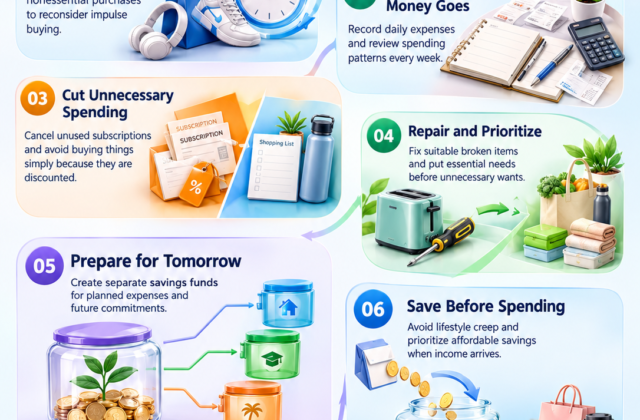
Most individuals operate on a flawed financial model: they spend their income on monthly obligations and hope there is enough left over to save. This approach almost guarantees that savings will never materialize. The first law of wealth creation is to flip this equation entirely.
By automating your savings, you prioritize your future self before your current desires have a chance to claim your money. Whether you are setting aside funds for retirement, an emergency cushion, or a down payment, the transaction should occur the moment your paycheck hits your account. This strategy eliminates the need for willpower, transforming saving from a conscious decision into a non-negotiable expense.
2. Defeating Lifestyle Creep
As your career advances and your income rises, there is a natural human tendency to expand your lifestyle to match your new earnings. This is known as lifestyle creep. While it is tempting to upgrade to a luxury vehicle or a more expensive home the moment a promotion arrives, doing so keeps you on a perpetual treadmill of consumption.
The secret to building wealth is to maintain your standard of living while increasing the gap between your income and your expenses. By keeping your overhead low even as your salary grows, you unlock surplus capital that can be funneled into high-yield investments, accelerating your journey toward financial freedom.
3. The Power of Liquidity and Cash Reserves
Life is inherently unpredictable. Medical emergencies, unexpected home repairs, and sudden shifts in the job market are realities that everyone must face. A robust cash reserve—often referred to as an emergency fund—is your primary defense against these shocks. Without this buffer, even a minor disruption can force you into high-interest debt, creating a cycle that is difficult to break.
Maintaining three to six months of living expenses in a liquid, high-yield savings account provides more than just security; it provides peace of mind. When you aren’t living in a state of financial fragility, you have the confidence to make long-term strategic decisions rather than short-term panic moves.
4. Diversification: The Antidote to Risk
In the world of investing, there is a classic adage: never put all your eggs in one basket. Relying on a single income stream or a single asset class is a recipe for vulnerability. Diversification involves spreading your capital across various vehicles—such as index funds, real estate, bonds, and business interests—to mitigate the impact of market volatility.
True diversification isn’t just about stocks; it is about cultivating multiple streams of income. When your financial health is anchored in several different areas, a downturn in one sector will not derail your entire portfolio. This approach provides a steady, reliable climb toward wealth rather than the erratic roller-coaster ride of speculative betting.
5. Safeguarding Your Assets
Earning and growing wealth is only half the battle; defending it is equally critical. As you accumulate assets, you become a larger target for cybersecurity threats, phishing scams, and fraudulent schemes. Protecting what you have built requires a commitment to digital hygiene and financial vigilance.
Always utilize multi-factor authentication, monitor your credit reports for suspicious activity, and be wary of unsolicited financial advice. Furthermore, ensure your estate planning and insurance policies are robust. Protecting your wealth is a continuous process that ensures the capital you’ve sacrificed to build remains available for your future goals.
6. Rejecting the Allure of Fast Money
If an investment opportunity promises extraordinary returns with little to no risk, it is almost certainly a scam. The history of finance is littered with investors who were swayed by the promise of overnight riches, only to lose their life savings. True, sustainable wealth is built slowly through compound interest, patience, and disciplined investing.
Whenever you are tempted by an “opportunity” that guarantees quick results, take a step back. Perform your own due diligence. If you cannot explain how the investment creates value, do not participate. Long-term wealth is a marathon, not a sprint, and the biggest risk is trying to outpace the process.
7. The Transparency of Tracking
You cannot manage what you do not measure. Many people avoid tracking their spending because they are afraid of what they might find, but this avoidance is the single biggest barrier to financial control. By tracking every dollar, you gain the clarity needed to identify “leaks” in your budget—those small, recurring expenses that add up to thousands of dollars over the course of a year.
Whether you prefer traditional spreadsheets, dedicated budgeting apps, or a simple notebook, consistency is key. When you have a clear picture of where your money goes, you stop wondering where it went and start consciously deciding where you want it to work for you.
8. The High Cost of Debt
Debt is a wealth-killer. Specifically, high-interest consumer debt acts as a reverse investment, eroding your net worth every day you carry a balance. When you pay interest to a bank or credit card company, you are effectively transferring your future potential to them.
The goal is to move from being a borrower to an owner. If you have significant debt, prioritize an aggressive repayment strategy. Once you are debt-free, your cash flow is liberated. That money that used to go toward interest can now be directed into compounding investments that build wealth on your behalf.
9. Discipline Over Emotion
The final, and perhaps most important, law is the mastery of your own psychology. Markets fluctuate, economies change, and personal circumstances shift. If you allow fear, greed, or impatience to dictate your financial choices, you are likely to make decisions that undermine your long-term success.
Successful investors and savers are those who can stick to a plan even when the world feels uncertain. Discipline means staying the course during market corrections, avoiding impulse purchases when you have a “win” in your career, and consistently adhering to your budget. Your ability to regulate your emotions is a more powerful financial tool than any algorithm or investment strategy.
Conclusion: Your Path to Financial Autonomy
Personal finance is not a destination; it is a lifestyle. By adhering to these nine laws—prioritizing savings, curbing lifestyle creep, building liquidity, diversifying risk, protecting your assets, avoiding scams, tracking your spending, eliminating debt, and maintaining discipline—you lay the groundwork for a secure and prosperous life.
It takes time to internalize these habits, but the rewards are profound. Financial independence is not just about the size of your bank account; it is about the freedom to make choices that align with your values. Start today, remain consistent, and watch how your small, daily actions compound into a lifetime of financial strength.