
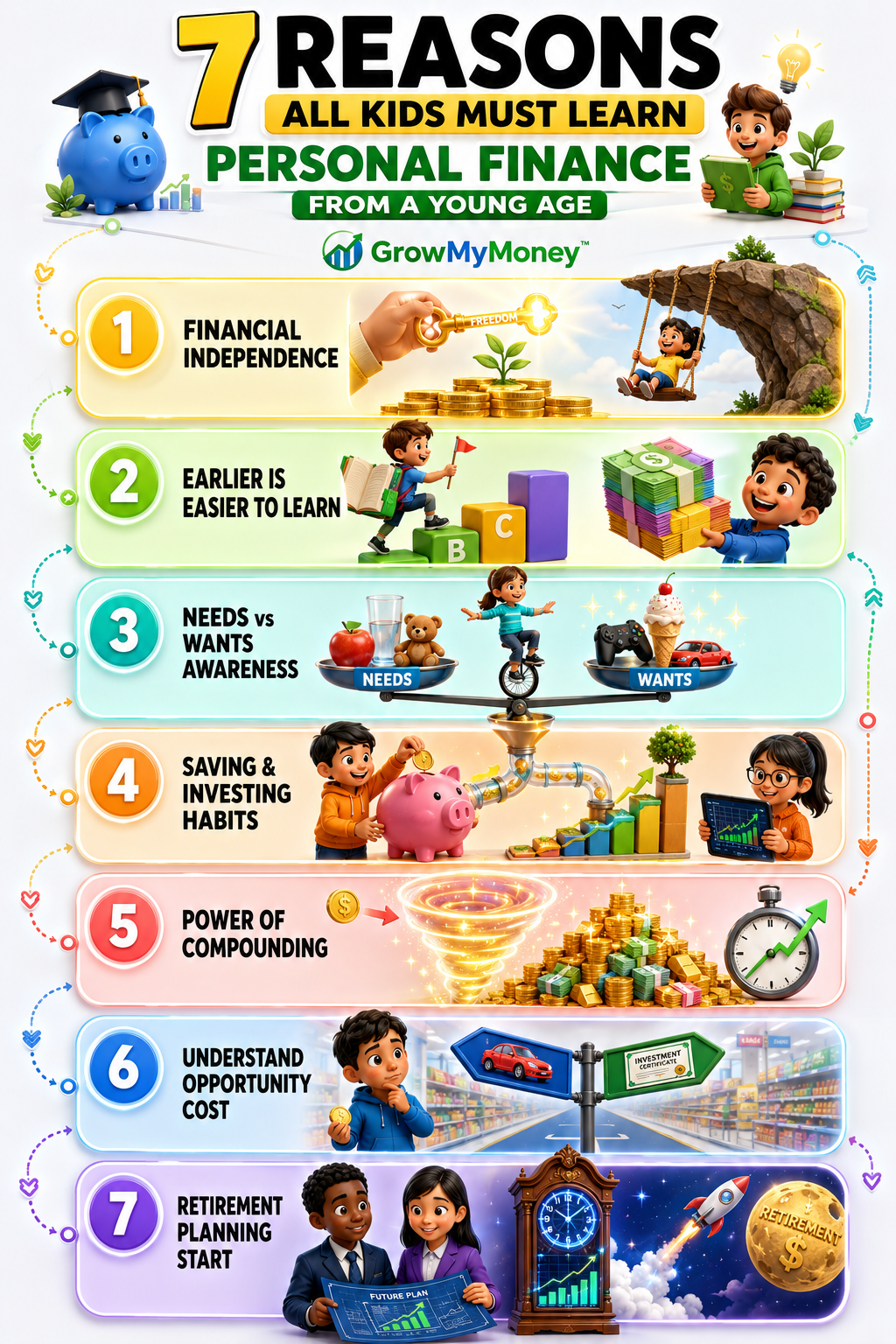
As parents, we dedicate years to teaching our children how to navigate the world. We focus on academic excellence, physical health, and social etiquette, yet we often overlook one of the most critical survival skills of the modern age: financial literacy. In an era dominated by digital transactions, complex credit systems, and constant consumer marketing, waiting until adulthood to teach children about money is a risky gamble. To build a solid foundation for their future, we must prioritize early financial education.
The Critical Window for Financial Development
Childhood is the most formative time for habit building. Just as children learn languages and motor skills more efficiently than adults, they are also uniquely primed to grasp the principles of money management. If we do not introduce these concepts early, we inadvertently leave them vulnerable to the predatory habits of a consumer-driven society. By treating financial education as a core life skill rather than an elective subject, we set our children on a path toward lifelong independence.
1. Cultivating Financial Independence from Day One
True financial freedom is not merely about earning a high salary; it is about how one manages the income they receive. When children are taught to track their earnings, savings, and expenses, they develop a sense of autonomy. This early exposure prevents the common cycle of living paycheck to paycheck, a trap that catches many adults off guard. By understanding the value of money early on, children transition into adulthood as informed decision-makers who view wealth as a tool for security rather than a source of stress.
2. The Advantage of Adaptability: Learning Without Fear
For many adults, the word “investing” or “budgeting” triggers feelings of anxiety and intimidation. However, children are blank slates. They haven’t yet been conditioned to fear market volatility or the complexities of banking. By introducing these topics during their early years, you normalize financial discourse. When a child learns about dividends and interest before they have to worry about rent or mortgage payments, they develop a healthy, confident relationship with their finances. It becomes a game of strategy, not a looming shadow of confusion.
3. Distinguishing Between ‘Needs’ and ‘Wants’
We live in a culture that incentivizes instant gratification. Marketing campaigns are designed to make luxury items feel like essential requirements. Teaching a child to critically analyze their spending habits is perhaps the most valuable lesson a parent can offer. Through consistent practice—such as creating a ‘wish list’ that requires a waiting period before purchase—children learn to delay gratification. This discipline is the primary antidote to the “lifestyle inflation” that keeps many adults trapped in a cycle of debt despite increasing income.
4. Harnessing the Mathematical Magic of Compounding
Albert Einstein once called compound interest the “eighth wonder of the world.” For a child, this is not just a mathematical concept; it is their greatest competitive advantage. When a child invests early, they have the benefit of time on their side. A small amount invested in early childhood can grow into a significant nest egg over decades due to the exponential nature of compounding. By visually demonstrating how money works for them while they sleep, you teach them the fundamental difference between trading time for money and building assets that provide passive growth.
5. The Practical Reality of Opportunity Cost
Every financial choice carries an opportunity cost. Every dollar spent on an immediate, fleeting pleasure is a dollar that cannot be invested in future growth. Teaching children this concept helps them weigh their options. If they spend their allowance on a cheap toy that breaks within a week, they miss the opportunity to save for a more meaningful, long-term goal. This fosters a mindset of intentionality. It encourages children to prioritize what truly matters and helps them become more deliberate, patient, and logical consumers.
6. Demystifying Investing for the Next Generation
Investing should not feel like an exclusive club for the wealthy. With the rise of modern technology and user-friendly digital tools, parents can guide their children through the basics of the stock market, real estate, or even business ownership. Whether it’s starting with a micro-savings account or purchasing shares in a company they love, the goal is to make the process engaging. By turning investing into a hands-on experience, you remove the barriers to entry and ensure your child feels capable of participating in the economy as an owner, not just a consumer.
7. Planning for Retirement Before It’s Time
The concept of retirement seems like a lifetime away to a young person. However, introducing the idea of long-term planning early on changes the trajectory of their career and personal life. When a child understands that their first summer job can contribute to a long-term fund, they realize that retirement isn’t a finish line to reach—it’s a goal to plan for incrementally. This shift in perspective ensures that when they reach their thirties and forties, they are well ahead of the curve, having already established a habit of consistent saving.
How to Start the Journey
You don’t need a degree in economics to teach your children about money. Start small. Here are a few actionable steps:
- The Three-Jar Method: Use separate jars for Spending, Saving, and Giving. This simple visual aid helps children categorize their money and understand the power of allocation.
- Involve Them in Shopping: Take your children along when you perform household shopping and explain how you compare prices and choose value over labels.
- Open an Investment Account: Many modern brokerages offer custodial accounts that allow children to hold investments in their name, making them active participants in their financial growth.
- Discuss Family Goals: Keep an open dialogue about your family’s financial objectives, such as saving for a vacation or a house renovation, to show the reality of planning and achievement.
Conclusion: A Legacy of Financial Wisdom
Financial education is more than just learning about currency; it is about building a framework for a successful, independent, and fulfilling life. By investing time in your children’s financial literacy now, you are handing them the keys to their own freedom. You are replacing the anxiety of the unknown with the confidence of competence. Start today, keep it simple, and watch as your children grow into financially responsible, empowered individuals who are ready to take on the world.
Frequently Asked Questions
Why is early financial literacy essential for kids?
Early education ensures children develop healthy habits before they reach adulthood, reducing the likelihood of future debt and increasing their potential for wealth accumulation.
At what age should I start teaching my child about money?
You can begin as soon as they understand the concept of counting and trading—usually around the ages of 5 to 7. Keep lessons age-appropriate and interactive.
How do I teach a child to save without making it feel like a chore?
Make it a visual and goal-oriented experience. Help them save toward a specific item they desire so they can see the direct result of their patience.
Is talking to kids about money too stressful?
Not if you frame it correctly. By focusing on “growth,” “choices,” and “freedom” rather than “debt,” “lack,” or “bills,” you keep the conversation positive and empowering.
What is the biggest risk of waiting to teach financial skills?
The biggest risk is that your child will learn their financial habits from trial and error—which is often an expensive and stressful way to learn life lessons.