The Silent Drain: Why Your Wealth Evaporates Without You Noticing 👻
Many hard-working individuals fall into a common financial trap: their money doesn’t disappear in one grand, catastrophic event. Instead, it slowly and subtly seeps away through a constant stream of small, unexamined expenditures. Each transaction, whether a quick tap of a card or a casual online purchase, is a decision. Over time, these seemingly insignificant choices accumulate, leaving you bewildered and stressed when you review your bank balance. 💸 Modern consumerism is ingeniously designed to exploit our primal desires for immediate gratification, often blurring the lines between what’s essential for well-being and what’s merely a fleeting pleasure. To break free from this cycle of financial frustration, understanding the core principles of needs versus wants is paramount. 🧠
The Unshakable Foundation: Identifying Your True Survival Necessities 🏡
Building a secure financial future begins with a crystal-clear understanding of what constitutes a genuine need. Needs are the non-negotiable elements absolutely vital for your physical survival, sustained health, and long-term economic stability. Prioritizing these expenses is a direct investment in your peace of mind, safety, and capacity to function effectively in the world. Neglecting these fundamental pillars can lead to immediate disruptions in your lifestyle, security, and even your professional life. 🛡️
The Non-Negotiable Core of Personal Finance That Safeguards Your Daily Peace 🍞
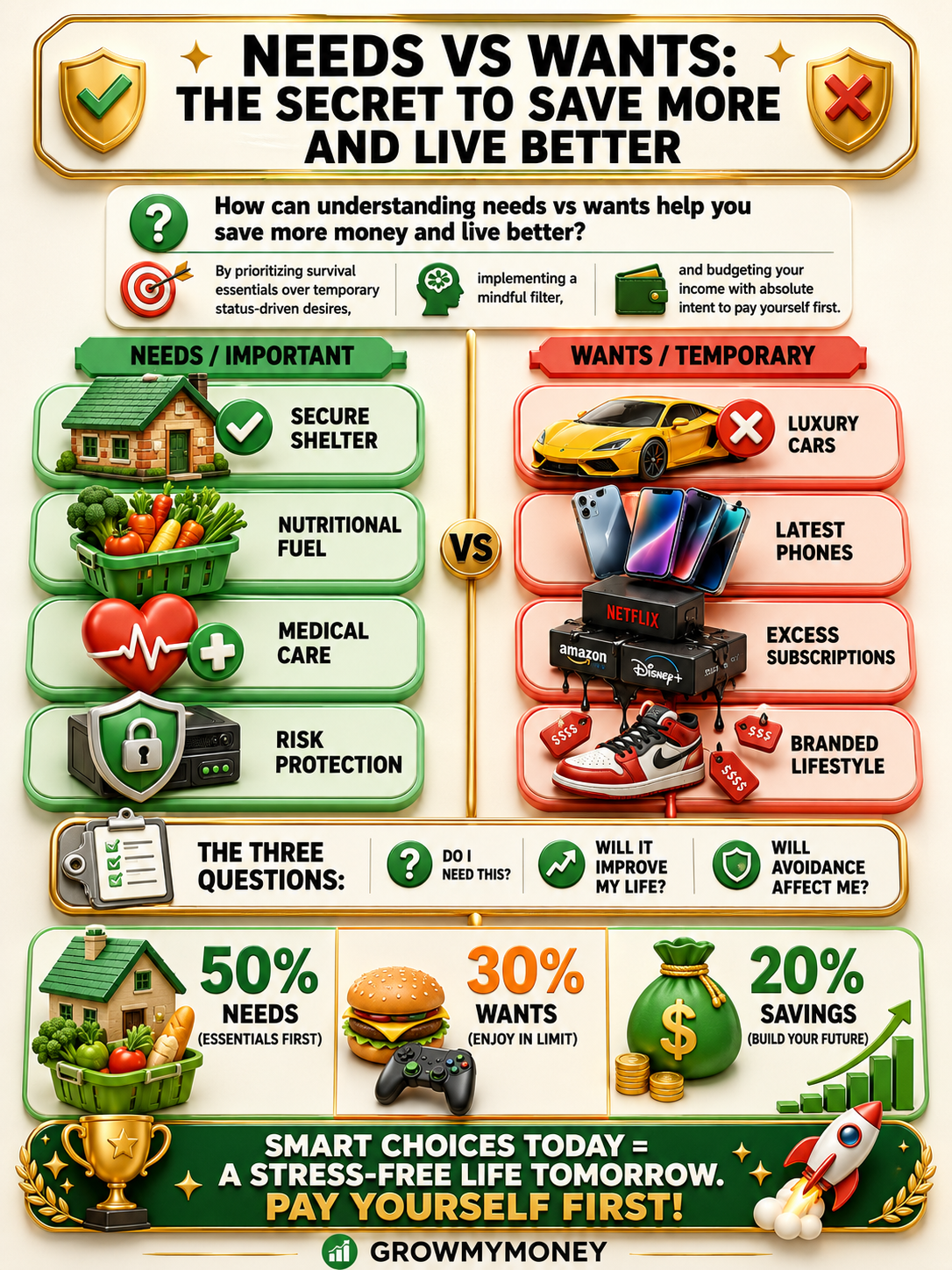
- Secure Shelter: A safe, reliable place to call home is the bedrock of personal security. 🏠
- Nutritional Fuel: Access to wholesome, nourishing food is crucial for maintaining bodily health and energy. 🥗
- Essential Medical Care: Regular healthcare check-ups and necessary medical treatments are vital for well-being and longevity. 🏥
- Continuous Education & Skill Development: Investing in learning and acquiring new skills directly enhances your future earning potential and adaptability. 📚
Keeping Life’s Engine Running: The Essential Infrastructure Support ⚡
Beyond the absolute basics, modern life necessitates certain utilities and protections to function smoothly and efficiently. These often-overlooked necessities ensure you can maintain employment, stay safe, and keep your household operating without interruption.
- Vital Utilities: Consistent access to electricity, clean water, functional sanitation, and reliable internet is fundamental for daily living and work in today’s world. 💡
- Risk Protection (Insurance): Maintaining adequate insurance coverage (health, home, auto, life) provides essential financial security and peace of mind during unforeseen events or emergencies. 🛡️
- Daily Transportation: A reliable method of transportation to get to work, access essential services, and manage daily responsibilities is a core requirement for most individuals. 🚌
The Illusions of Desire: Unmasking the Wants That Drain Your Wealth 🏎️
Wants, in contrast to needs, are those items and experiences that enhance our lives and bring enjoyment but are not critical for survival or basic stability. While they provide a temporary surge of happiness or social validation, they do not contribute to our long-term security or well-being. The real danger arises when the pursuit of wants, particularly those driven by social comparison or the desire for status, begins to overshadow the fulfillment of our essential needs. 📉
The High-Status Trap: How Lifestyle Inflation Erodes Your Financial Freedom 📱
Constantly upgrading your lifestyle to impress others or maintain a certain social standing is a deceptive path. A life centered around luxury goods, designer clothing, or high-priced experiences does not equate to genuine wealth. Instead, it often traps you in a cycle of continuous consumption, where you must keep earning more just to maintain the facade. Purchasing the latest smartphone simply because it’s new, when your current one functions perfectly well, is a prime example of trading financial freedom for fleeting status. The real measure of wealth lies in financial independence, not in the visible accumulation of depreciating assets. 💰➡️📉
The Convenience Cult: How Fleeting Splurges Devastate Your Finances 🍔
Many of our daily desires masquerade as harmless indulgences or simple conveniences, making them incredibly challenging to regulate. Over time, these seemingly minor financial habits can morph into significant obstacles on your journey to building lasting wealth.
- Excessive Subscriptions: Paying monthly for streaming services, apps, or subscription boxes you rarely utilize creates a significant, recurring drain on your funds. 📺
- Frequent Dining Out: Opting for the convenience of restaurant meals over home-cooked food can quickly devastate your budget, often costing several times more. 🍽️
- Impulsive Shopping Sprees: Purchasing items, especially clothing or gadgets, that offer only temporary satisfaction leads to clutter and financial regret. 🛍️
- Lavish, Frequent Vacations: Taking extravagant trips without a solid financial plan in place can decimate savings and hinder your progress towards financial goals. ✈️
The Mindful Filter: A Three-Step Framework to Halt Impulsive Spending 📋
To fundamentally transform your spending habits and prevent the silent drain of your hard-earned money, you need a quick, reliable mental checkpoint. This filter intercepts impulse purchases before they happen, forcing a moment of critical self-reflection.
The Essential Questions to Ask Before Every Discretionary Purchase ❓
Whenever the urge to buy something new strikes, pause and engage with these crucial questions. Honesty is key to success.
- Is this a true need for my survival or basic well-being, or is it a fleeting desire driven by impulse or external influence? (Be brutally honest here! 😉)
- Will this purchase genuinely enhance my long-term quality of life and contribute positively to my goals, or am I seeking temporary pleasure or external validation? (Focus on inner fulfillment, not outward appearance. ✨)
- If I don’t make this purchase today, will my life or my fundamental security be negatively impacted in any significant way? (Visualize walking away. Can you? 🤔)
If the answer to these questions leans towards desire rather than necessity, you’re likely looking at a ‘want.’ Recognizing this distinction is the first powerful step towards more intentional spending. 🎯
The Wealth Architecture: Mastering Your Cash Flow with the 50/30/20 Rule 📊
Building an impressive financial future doesn’t require a life of constant deprivation. The key lies in adopting a structured, intentional approach to managing your income. The widely acclaimed 50/30/20 budgeting rule offers a mathematically sound framework to balance your present enjoyment with your future financial security. It provides a clear roadmap for allocating your earnings effectively. 🗺️
Structuring an Unbreakable Budget to Harmonize Modern Life and Future Security 🧱
- 50% for Needs: Dedicate half of your total income to your essential survival requirements. This includes housing costs, nutritious food, utilities, insurance premiums, and other non-negotiable expenses that ensure your fundamental stability and well-being. This allocation guarantees that your basic needs are consistently met. 🏠🍎💡🛡️
- 30% for Wants: Allocate a significant portion of your income to enjoy life guilt-free! This category covers entertainment, dining out, hobbies, travel, and other discretionary spending. The crucial rule here is to stay strictly within this 30% limit to prevent lifestyle inflation from creeping into your essential spending. 🎉🚗✈️
- 20% for Savings & Investments: The remaining fifth of your income is your wealth-building engine. This portion should be automatically directed towards your savings accounts, emergency funds, debt repayment (if applicable), and long-term investments. This is the golden principle of financial success: always prioritize paying yourself first to secure a robust and stress-free future. 💰🚀🌟
By adhering to the 50/30/20 rule, you create a balanced financial ecosystem where your present needs are met, your desires are indulged responsibly, and your future is actively secured. It’s a sustainable path to both enjoyment and enduring prosperity. 💯
Smart Choices Today Forge a Stress-Free Tomorrow: Reclaim Your Financial Sovereignty! 🏁
Ultimately, achieving financial freedom and a life of greater fulfillment isn’t solely about the amount of money you earn; it’s about the level of control you exercise over its allocation and your intentionality in spending. Every dollar you spend is a conscious decision that shapes your future. By consciously differentiating between your essential needs and your temporary, often status-driven wants, you create a clear and direct pathway toward lasting prosperity and profound peace of mind. Embracing disciplined, informed money choices today is the most powerful investment you can make in a stable, abundant, and stress-free tomorrow. Your financial future is in your hands! 💪
Ready to take definitive control of your financial destiny? Partner with us to access cutting-edge budgeting strategies, expert insights into investment opportunities, and actionable tools designed to optimize your net worth and enhance your financial literacy. Begin your journey to wealth creation and economic empowerment today! 💡
Frequently Asked Questions about Needs vs. Wants
What is the fundamental difference between a need and a want?
Needs are the absolute essentials for survival, health, and economic stability, such as shelter and food. Wants are desires that improve life quality but aren’t necessary for survival, like luxury items or entertainment.
How does confusing needs and wants negatively impact personal finance?
Mistaking temporary gratification for long-term needs leads to unconscious overspending, a constant feeling of financial stress, and significant barriers to building wealth and achieving financial security.
What are the essential pillars that form the core of personal finance necessities?
The core necessities include secure housing, nutritious food, essential healthcare, and ongoing education or skill development to boost long-term earning potential.
Why are utilities, insurance, and transportation considered critical needs?
These services are crucial for daily functioning: utilities keep our homes operational, insurance provides protection against financial disaster, and transportation is vital for employment and accessing essential services.
What are ‘high-status traps’ in contemporary consumer culture?
High-status traps involve acquiring goods or services primarily to signal social standing or impress others, such as buying expensive brand-name items or the latest gadgets, often at the expense of financial well-being.
How can everyday convenience spending lead to substantial long-term financial harm?
Minor daily expenses like frequent takeout orders, unused subscriptions, and impulsive small purchases can accumulate rapidly, creating a significant obstacle to achieving financial freedom and savings goals.
What three pivotal questions should one ask before making a discretionary purchase?
Before buying, ask: 1) Do I truly need this for survival or well-being? 2) Will it genuinely enhance my life long-term, or is it for fleeting pleasure/validation? 3) Will my life suffer significantly if I don’t buy it?
Could you explain the 50/30/20 budgeting rule?
The 50/30/20 rule is a budgeting guideline that suggests allocating 50% of your after-tax income to needs, 30% to wants, and 20% to savings and debt repayment, promoting a balanced financial life.
How does allocating 50% of income to needs ensure household security?
This allocation ensures that your essential living expenses—housing, food, utilities, and insurance—are consistently covered, providing a stable foundation and protecting against disruptions regardless of external circumstances.
Does the 50/30/20 rule require extreme financial sacrifice?
No, it balances enjoyment with future security by dedicating 30% to wants like hobbies and leisure, encouraging responsible spending within set limits rather than outright deprivation.
Why is the 20% savings allocation referred to as ‘paying yourself first’?
It signifies prioritizing your future financial well-being by setting aside a portion of your income for savings and investments before spending on discretionary items, ensuring long-term financial security.
What is the ultimate secret to achieving lasting financial freedom?
True financial freedom stems not just from income, but from the disciplined control you exert over your spending and the intentionality with which you direct your money towards your goals.
How does a mental purchase filter help prevent impulsive spending?
A mental filter acts as a pause button, prompting critical self-assessment before a purchase. By forcing a moment of honest evaluation, it easily reveals unnecessary wants masquerading as immediate needs.
How does distinguishing needs from wants alleviate daily emotional stress?
By clearly defining and covering essential needs while automating savings, individuals gain a profound sense of security and peace of mind, eliminating the chaotic uncertainty associated with unmonitored spending.
How does your platform assist individuals in optimizing their financial habits?
Our platform offers advanced budgeting frameworks, expert investment analysis, and practical wealth-building tools, all designed to help users maximize their net worth, master financial psychology, and secure their economic future.