Achieving financial freedom in the modern economic landscape can feel like an uphill battle. With rising costs of living and the constant temptation of digital consumerism, maintaining a healthy bank balance requires more than just willpower—it requires a strategic approach to daily habits. By implementing small, consistent changes, you can transform your financial trajectory without sacrificing your quality of life.
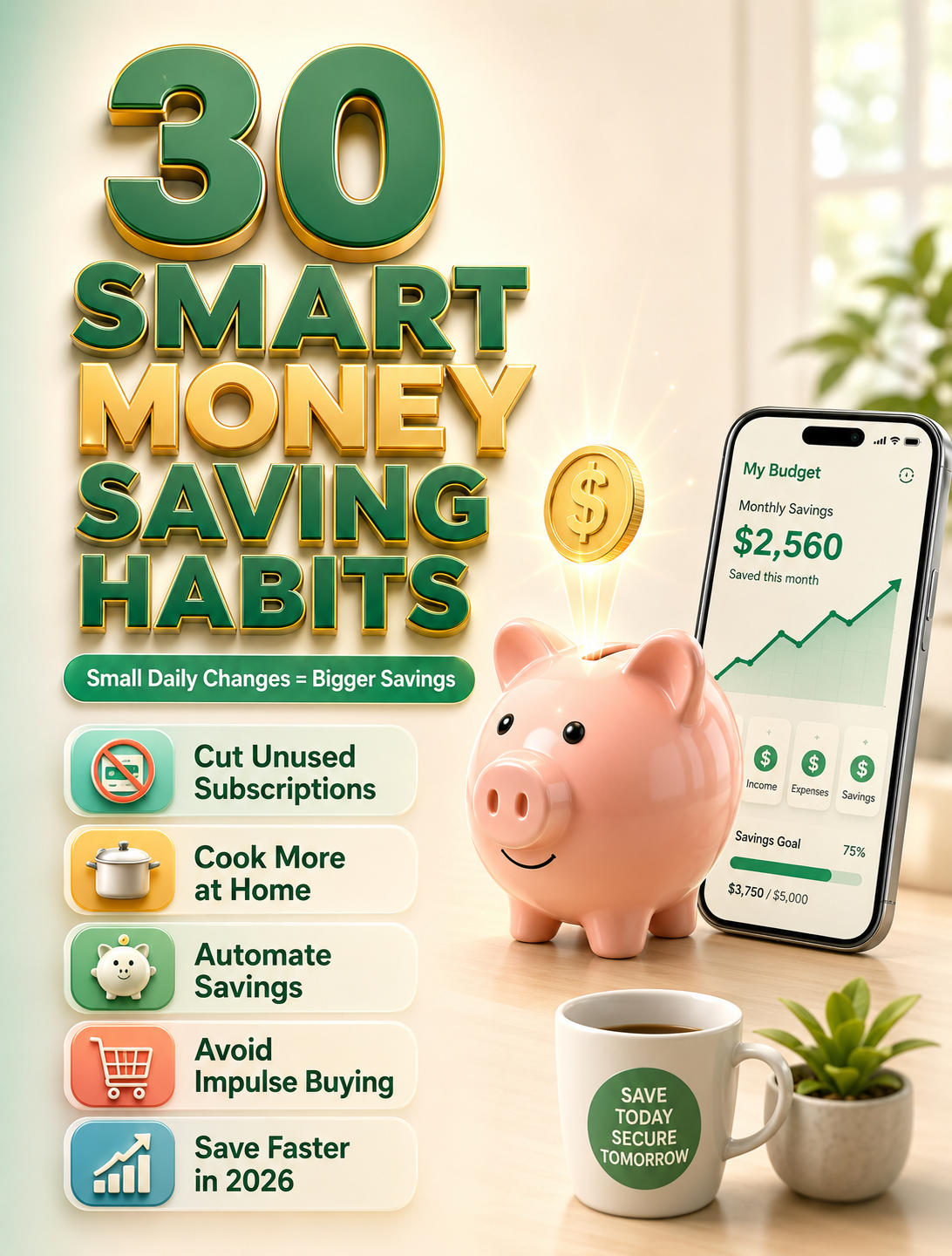
Wealth building is rarely the result of a single “get rich quick” scheme. Instead, it is the cumulative effect of hundreds of micro-decisions made every single day. This comprehensive guide outlines 30 practical habits designed to help you plug financial leaks, optimize your spending, and accelerate your progress toward long-term prosperity.
The Philosophy of Micro-Savings
Why do small habits outperform massive, one-time financial overhauls? Because sustainability is the key to lasting change. When you overhaul your entire life overnight, you are likely to burn out. Conversely, when you refine your daily routines, you create permanent financial hygiene that supports your goals for years to come.
1. The Culinary Shift: Master Home Cooking
Dining out is one of the most significant silent killers of a monthly budget. Between service fees, tips, and marked-up ingredient costs, restaurant meals cost significantly more than their home-cooked counterparts. By committing to cooking at home, you not only save money but also take control of your nutritional intake.
2. The Home Barista Movement
Daily trips to a coffee shop add up to hundreds, if not thousands, of dollars annually. Investing in a quality coffee maker or French press pays for itself within the first month of ownership.
3. Intentional Grocery Shopping
Never walk into a grocery store without a pre-planned list. Shopping with a purpose eliminates impulse buys and ensures you only purchase what you actually intend to eat, drastically reducing food waste.
4. The Brown-Bag Strategy
Preparing your lunch for work the night before is a cornerstone of professional frugality. It saves time during your lunch break and keeps your hard-earned money in your savings account rather than the register of a local cafe.
5. Hydration Optimization
Bottled water is an unnecessary recurring expense. Invest in a high-quality reusable water bottle. It is better for your wallet and significantly better for the environment.
Digital Pruning: Managing Modern Expenses
The “subscription economy” is designed to extract small, recurring fees from your account that you eventually forget about. It is time to audit your digital life.
6. The Subscription Audit
Review your bank statements for the last 90 days. Identify every recurring charge. If you haven’t used a service in the last month, cancel it immediately. You can always resubscribe later if the need arises.
7. Rotate Your Entertainment
Stop paying for every streaming service simultaneously. Rotate them—watch everything you want on one platform for a month, then switch to another. This prevents “content bloat” and saves you hundreds per year.
8. Digital Minimalism
Unsubscribe from retail marketing emails. If you aren’t being tempted by constant “limited-time offers,” you are far less likely to make an impulse purchase.
9. The 24-Hour Cooling Off Period
Whenever you feel the urge to buy a non-essential item, force yourself to wait 24 hours. Often, the initial emotional impulse will fade, and you will realize the purchase was unnecessary.
10. Strategic Reward Utilization
Use cashback cards and rewards points to your advantage, but be wary of the “rewards trap.” Never spend money just to earn points; only use these programs on purchases you were going to make anyway.
Optimizing Your Home and Utility Costs
Your living space is your base of operations. Making it more efficient directly correlates to your monthly cash flow.
11. Energy Vigilance
Unplug devices when not in use. Even in standby mode, electronics consume “vampire power.” This simple habit can trim your utility bill consistently over the long term.
12. Climate Control Management
Adjusting your thermostat by even two degrees can result in substantial energy savings during peak seasons. Invest in a programmable thermostat to automate these adjustments.
13. DIY Maintenance
Learn the basics of home repair. From fixing a running toilet to patching drywall, mastering minor repairs prevents the need for expensive professional service calls.
14. The Secondhand Advantage
Whether it is furniture, clothing, or tech, buying used often provides the same utility at a fraction of the cost of new retail items.
15. Bulk Procurement
For non-perishable household goods—like toilet paper, cleaning supplies, or dry goods—buying in bulk is mathematically superior to purchasing single units over time.
Transportation and Lifestyle Efficiencies
16. Trip Consolidation
Plan your errands to minimize driving. This reduces fuel consumption and wear and tear on your vehicle.
17. Shared Commuting
If possible, carpool with colleagues. Sharing the cost of fuel and parking effectively halves your commuting expenses.
18. Banking Awareness
Avoid out-of-network ATM fees at all costs. These are essentially “convenience taxes” that provide no value to you.
19. Active Commuting
Whenever possible, walk or cycle to local destinations. This replaces transportation costs with free, healthy exercise.
20. Gym Membership Re-Evaluation
Are you actually using your gym membership? If not, transition to a home-workout program. There are countless free, high-quality fitness resources available online.
Advanced Spending Habits
21. Utilize Browser Extensions
Use automated coupon-finding browser extensions when shopping online to ensure you are always getting the best possible price.
22. Annual Insurance Reviews
Loyalty rarely pays in the insurance market. Compare quotes for your home, auto, and life insurance annually to ensure you are getting the best market rate.
23. Embrace Private Labels
Store-brand alternatives to name-brand goods are often manufactured in the same facilities. Making the switch can save 20-30% on your total grocery bill.
24. Granular Tracking
You cannot manage what you do not measure. Use a budgeting app or a simple spreadsheet to track every single dollar that leaves your account.
25. The “Fun” Allocation
Give yourself a guilt-free budget for entertainment. Knowing exactly how much you have set aside for fun prevents you from overspending or feeling deprived.
Building Long-Term Momentum
26. Maximize Library Resources
Libraries aren’t just for books anymore. They offer free digital media, workshops, and even equipment rentals. Treat your local library as your primary resource for free entertainment.
27. Liquidate Clutter
Sell items you no longer use. This creates a dual benefit: you clear your physical space and generate an immediate cash injection for your emergency fund or investment account.
28. Efficient Meal Prep
Dedicate a few hours on Sunday to prepping your food for the week. This minimizes the risk of ordering takeout when you are too tired to cook after a long day.
29. Financial Automation
Set up automatic transfers to your savings or investment accounts on payday. If you never see the money in your checking account, you won’t miss it, and your wealth will grow on autopilot.
30. Consistency Over Intensity
The final habit is the most important: stay consistent. Wealth building is a marathon. By sticking to these habits, you are building a bedrock of financial security that will serve you for decades.
Conclusion: Your Path to 2026 and Beyond
Building wealth is not about deprivation; it is about intentionality. By adopting these 30 habits, you are moving away from reactive spending and toward proactive wealth management. Whether your goal is to clear debt, save for a home, or build a robust retirement portfolio, these simple, sustainable changes will get you there faster. Start today, choose three habits to implement this week, and watch how your financial landscape transforms by the end of the year.