Achieving true financial freedom in the modern era can feel like an uphill battle. With the rising cost of living, the ubiquity of subscription services, and the ease of digital impulse purchasing, it is remarkably simple to let your hard-earned money slip through your fingers. However, the path to prosperity isn’t necessarily paved with extreme sacrifices or a six-figure salary jump. Instead, it is built through the accumulation of smart, consistent financial behaviors.
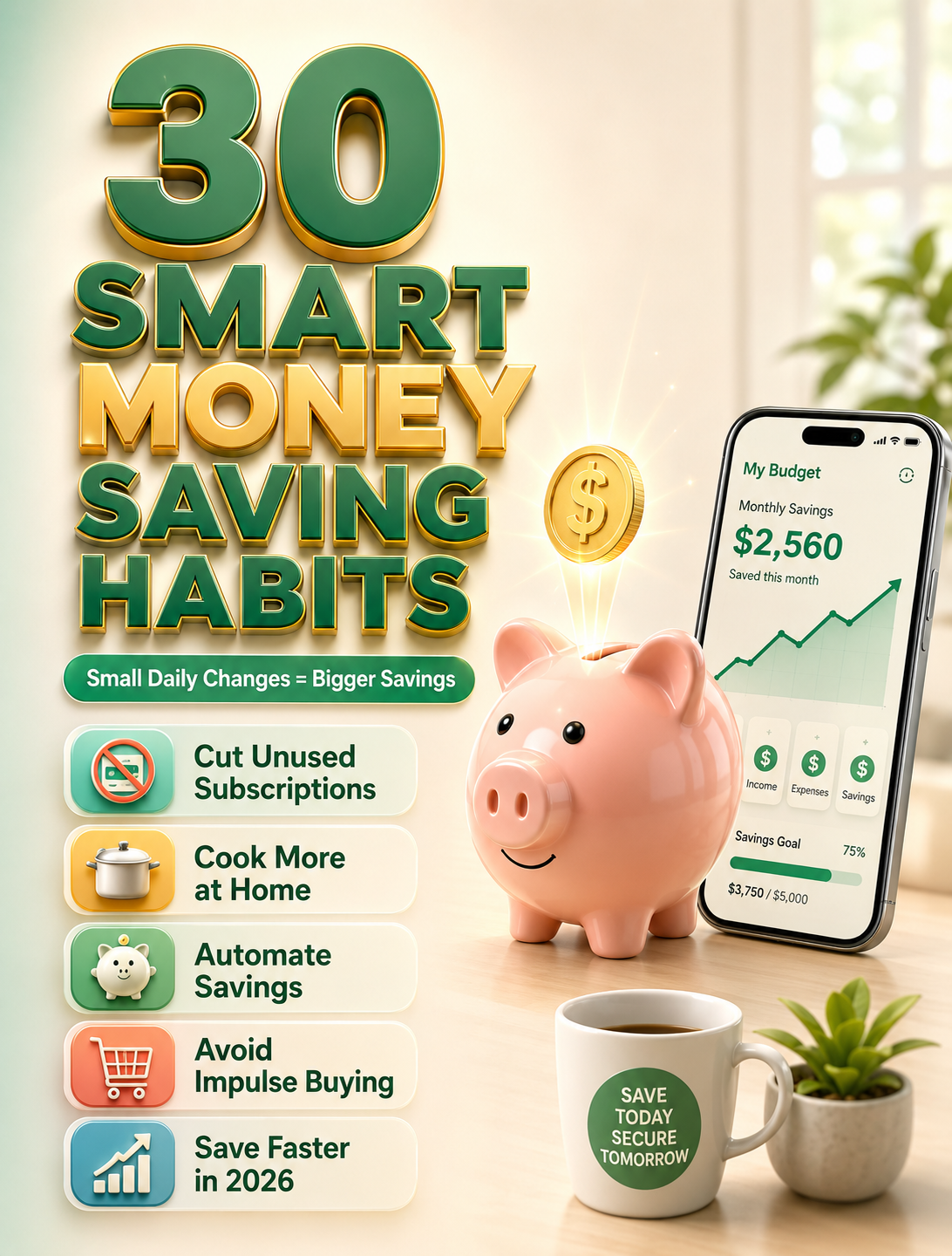
As we navigate 2026, refining your approach to cash flow management is the most reliable way to secure your future. By implementing small, sustainable changes in how you shop, eat, and manage your utilities, you can unlock significant capital to fuel your savings and investment goals. Here are 30 practical habits designed to help you regain control of your wallet and accelerate your journey toward building wealth.
The Philosophy of Micro-Savings
Many individuals focus exclusively on “big wins,” such as landing a massive promotion or finding a lucrative investment opportunity. While these events are beneficial, they are infrequent. In contrast, your daily habits occur every single day. A daily savings habit of just a few dollars, when compounded over months and years, can result in thousands of dollars in added liquidity. This approach fosters a mindset of mindfulness, reducing financial anxiety and creating a safety net that protects you against the unexpected.
Lifestyle Tweaks for Immediate Impact
Your daily routine is the single biggest determinant of your monthly spending profile. By adjusting small behaviors, you can see an immediate improvement in your bottom line.
- Prioritize Home-Cooked Meals: Dining out is one of the primary culprits behind runaway spending. By mastering a few simple recipes, you can cut your food budget by more than half while improving your health.
- The DIY Coffee Ritual: That daily $6 latte adds up to nearly $2,200 a year. Investing in a quality coffee maker allows you to enjoy barista-style beverages for a fraction of the cost.
- Strategic Grocery Shopping: Never head to the supermarket without a strictly planned list. Impulse buys are designed to be tempting; sticking to your list prevents you from overspending on non-essentials.
- Embrace the Packed Lunch: The office lunch run is a silent budget killer. Prep your meals on Sunday and enjoy significant savings throughout the work week.
- Ditch Bottled Beverages: Invest in a high-quality, reusable water bottle. It is better for the planet and saves hundreds of dollars annually compared to buying individual plastic bottles.
Digital Hygiene and Subscription Control
In our digital-first world, recurring charges are the invisible weight dragging down your finances. Take control of your digital footprint today.
- The Subscription Purge: Audit your bank statements and identify recurring memberships you no longer utilize. Whether it is a streaming service or a fitness app, cancel anything that hasn’t seen use in the last 30 days.
- Rotate Your Media Services: You don’t need five different streaming platforms at once. Subscribe to one, binge the content you want, cancel it, and move to the next.
- Eliminate Browser Temptations: Unsubscribe from marketing newsletters and remove shopping apps from your phone. If you don’t see the sale, you won’t be tempted by the “deal.”
- The 24-Hour Cooling-Off Rule: Whenever you feel the urge to make a non-essential purchase, force yourself to wait 24 hours. Often, the emotional impulse fades, and you will realize the item isn’t necessary.
- Use Rewards Responsibly: Leverage cashback cards for purchases you were going to make anyway, but never increase your spending just to chase points.
Optimizing Your Living Space and Utilities
Your home is your largest asset and often your largest source of recurring overhead. Small tweaks here lead to big savings.
- Mind the Standby Power: Unplug electronics that aren’t in use. “Vampire power” from chargers and devices can add up to a noticeable amount on your monthly electric bill.
- Climate Control Awareness: Adjusting your thermostat by just two or three degrees can lead to substantial long-term savings on your heating and cooling costs.
- DIY Maintenance: Learn basic home repair skills via online tutorials. Fixing a leaky faucet or changing an air filter yourself saves you from paying professional service premiums.
- Choose Pre-Owned: For furniture and household electronics, the resale market is your best friend. You can often find high-quality items at a fraction of their retail price.
- Bulk Buying Essentials: For shelf-stable items you use regularly, bulk purchasing is economically superior. Just be sure you have the storage space so the items don’t go to waste.
Smart Transportation and Mobility
Commuting costs are often overlooked because they feel mandatory. However, there are many ways to optimize these expenses.
- Consolidate Your Errands: Plan your weekly trips to run all your errands in a single circuit. This reduces fuel consumption and minimizes wear and tear on your vehicle.
- Commuter Efficiency: Carpooling doesn’t just save money; it reduces stress. Split the cost of gas and parking with a colleague to maximize your savings.
- Avoid ATM Surcharges: Always plan your cash withdrawals to avoid using “out-of-network” ATMs that charge unnecessary fees.
- Active Transportation: Incorporate walking or cycling for short trips. It serves as a workout, saving you money on gym memberships while eliminating transport costs.
- Re-evaluate Gym Memberships: If you aren’t using your gym membership at least three times a week, cancel it. There are countless free, highly effective home-workout programs available online.
Refining Your Consumer Behavior
Being a “smart shopper” is a skill that improves over time with practice and diligence.
- Maximize Digital Coupons: Before hitting “checkout” on any website, spend 30 seconds searching for a promotional code. Browser extensions can automate this for you.
- Annual Insurance Review: Insurance companies reward new customers. Shop around for better rates on your car and home insurance annually; it can save you hundreds.
- Prefer Generic Over Brand: Most store-brand products are manufactured in the same facilities as name-brand items. The quality difference is often negligible, but the price difference is significant.
- Track Every Cent: Use a digital budgeting tool or a simple spreadsheet to log your expenses. You cannot optimize what you do not track.
- The “Fun” Budget: Financial restriction without joy leads to burnout. Set a modest, fixed monthly amount for entertainment so you can enjoy your life while remaining within your means.
Long-Term Wealth Preservation
Finally, focus on the habits that provide structural stability to your financial life.
- Utilize Free Community Resources: Libraries provide access to books, movies, internet, and even tools or professional workshops at no cost to you.
- Liquidation of Assets: Declutter your home by selling items you no longer use on online marketplaces. This clears space and provides a nice cash injection.
- Advanced Meal Prep: Planning your meals for the entire week reduces the likelihood of ordering expensive last-minute takeout when you are tired.
- Automated Savings: Set up your banking to move money into your savings or investment accounts the moment your paycheck hits. If you don’t see it, you won’t spend it.
- Prioritize Discipline: Remember that wealth is not what you spend, but what you keep. The habit of consistency is the greatest tool in your financial arsenal.
Conclusion: The Path Forward
Building wealth in 2026 is fundamentally about moving from a state of reactive spending to one of proactive management. By integrating these 30 habits into your daily life, you are not merely “saving money”—you are buying yourself freedom, security, and a future where you are in control of your destiny. Do not attempt to change everything overnight; pick five habits from this list and implement them this week. As these become second nature, layer in more. Before you know it, the compounding effect of these choices will manifest as true financial stability.
Financial success is a marathon, not a sprint. By staying the course and remaining vigilant about your expenses, you are setting yourself up for long-term growth and prosperity. Start today, stay consistent, and watch your financial future transform.