Let’s be honest: looking at your bank account doesn’t always feel great. We all want that feeling of security—knowing we have enough for the bills, a little extra for fun, and a safety net for the future.
But as we look ahead to 2026, the world keeps getting more expensive. The good news? Saving money doesn’t have to mean living a boring life of deprivation. It’s not about never buying a latte again; it’s about being smarter with your cash so you can spend it on the things that actually matter to you.
If you’re ready to take control of your wallet in 2026, here are 10 friendly, simple, and effective ways to start saving right now.
![This is an exciting project. Writing about personal finance in a friendly, accessible way is the best approach because money can often feel stressful. By making it simple and positive, you are much more likely to help your readers actually make changes.
Here is a complete article draft ready for WordPress. I have structured it with clear headings, short paragraphs, and bold text for easy online reading.
I have also included [Image Suggestions] in brackets where a picture would fit perfectly. Since I cannot generate actual image files directly into the text here, these are detailed descriptions you can use to search for free stock photos (on sites like Unsplash, Pexels, or Pixabay) or to generate AI images.
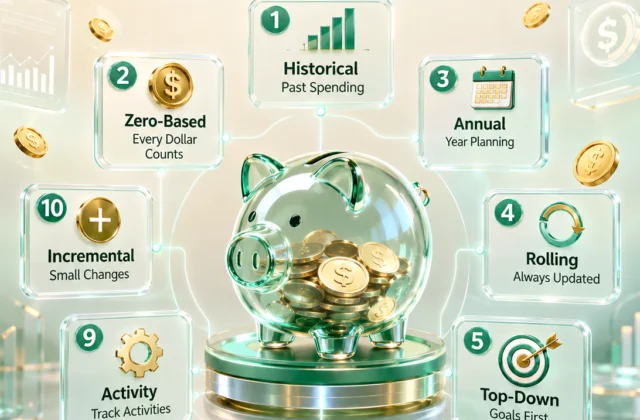
Top 10 Ways to Save Money in 2026](https://smartsave.top/wp-content/uploads/2025/12/Gemini_Generated_Image_ud5zdxud5zdxud5z-scaled.png)
1. The Great Subscription Audit
We live in the golden age of subscriptions. Streaming services, music apps, snack boxes, software—it’s easy to sign up for a $9.99 monthly trial and completely forget about it. Those little charges are silent budget killers.
How to do it: Take 30 minutes this weekend to scan your credit card statement for the last three months. List every recurring charge. Be ruthless. If you haven’t watched that specific streaming channel in two months, cancel it. You can always resubscribe later if you really miss it.
2. Pay Yourself First (Automatically)
The biggest mistake people make is trying to save whatever money is “left over” at the end of the month. Usually, there is nothing left over.
How to do it: Flip the script. Treat your savings account like your most important bill. Set up an automatic transfer from your checking account to your savings account to happen on payday. Even if it’s just $50, moving it before you see it means you won’t miss it. Out of sight, out of mind, into savings.
3. The “Wait 48 Hours” Rule
Online shopping has made impulse buying way too easy. You see it on Instagram, click twice, and it’s at your door tomorrow. This convenience is terrible for your savings goals.
How to do it: If you see something non-essential that costs over $50, institute a mandatory 48-hour waiting period. Leave it in your digital cart and walk away. Usually, after two days, the excitement wears off and you realize you don’t actually need that new gadget or pair of shoes.
4. Rethink Your Grocery Game
Food is likely one of your biggest monthly expenses. Between rising grocery prices and the temptation of takeout, it’s easy to overspend here.
How to do it: Two simple rules: Meal plan and stop wasting food. Before you shop, decide what you are eating for the week. And crucially, look in your fridge first. Can you make a meal out of those leftover veggies and that half-box of pasta? Eating what you already own is the cheapest meal you’ll ever make.
5. Embrace the “Nearly New” Economy
In 2026, buying everything brand new is officially out of style. The secondhand market is booming, and it’s great for your wallet and the planet.
How to do it: Need a new winter coat? Check online thrift stores like Poshmark or ThredUp first. Need furniture? Look at Facebook Marketplace before heading to the big-box store. You can often find high-quality items that are “gently used” for less than half the retail price.
6. Become a Negotiator
Many of us pay full price for services just because we’re too polite to ask for a discount. But loyalty doesn’t always pay off; companies often save their best deals for new customers.
How to do it: Call your internet provider, your cell phone company, and your insurance agent once a year. Politely say, “I’ve been a loyal customer, but my bill has gone up. Are there any better promotional rates available right now?” You’d be shocked at how often they will lower your bill just to keep you from switching to a competitor.
7. Watch Out for “Vampire Power”
Your house is leaking money right now. Many electronics—TVs, computers, game consoles, chargers—continue to draw electricity even when they are turned off. This is called “phantom” or “vampire” power.
How to do it: It sounds simple, but it works: unplug things you aren’t using. Better yet, use smart power strips that cut power to devices completely when they aren’t in use. It’s a small change that adds up on your electric bill over a year.
8. Rediscover Free Entertainment
We have been trained to think that having fun costs at least $50 a night. But some of the best things in life really are free (or very cheap).
How to do it: Get a library card—seriously. Modern libraries offer free e-books, audiobooks, movie streaming, and even museum passes. Instead of an expensive dinner and a movie, try a potluck game night with friends, go for a hike, or find free community concerts in your local park.
9. Audit Your Commute
If you drive to work every day, you are paying for gas, insurance, maintenance, and the depreciation of your car’s value. It’s often the second biggest expense after housing.
How to do it: Can you negotiate one or two remote workdays a week? If not, could you carpool with a coworker? Even biking to work when the weather is nice can save significant money on gas over a few months.
10. Try a “No-Spend Weekend”
Sometimes you just need a hard reset on your spending habits.
How to do it: Choose one weekend a month where your goal is to spend exactly zero dollars. Eat food you already have in the pantry. Do free activities (see point #8!). It turns saving money into a fun challenge and makes you realize how often you mindlessly tap your card on a typical Saturday.
Final Thoughts
Saving money in 2026 isn’t about making one giant, life-altering change. It’s about making ten small changes that work together. Start with just one or two tips from this list that feel easy to you. Once you master those, add another. Before you know it, you’ll feel much more in control of your financial future.